
THE GEMHOOD EDITORIAL LIBRARY
Acanthite gemstone guide
Acanthite: mineral identification, origin, colour, Mohs hardness 2–2.5, collector safety and care.
Gem facts · Quality considerations · Care & meaning
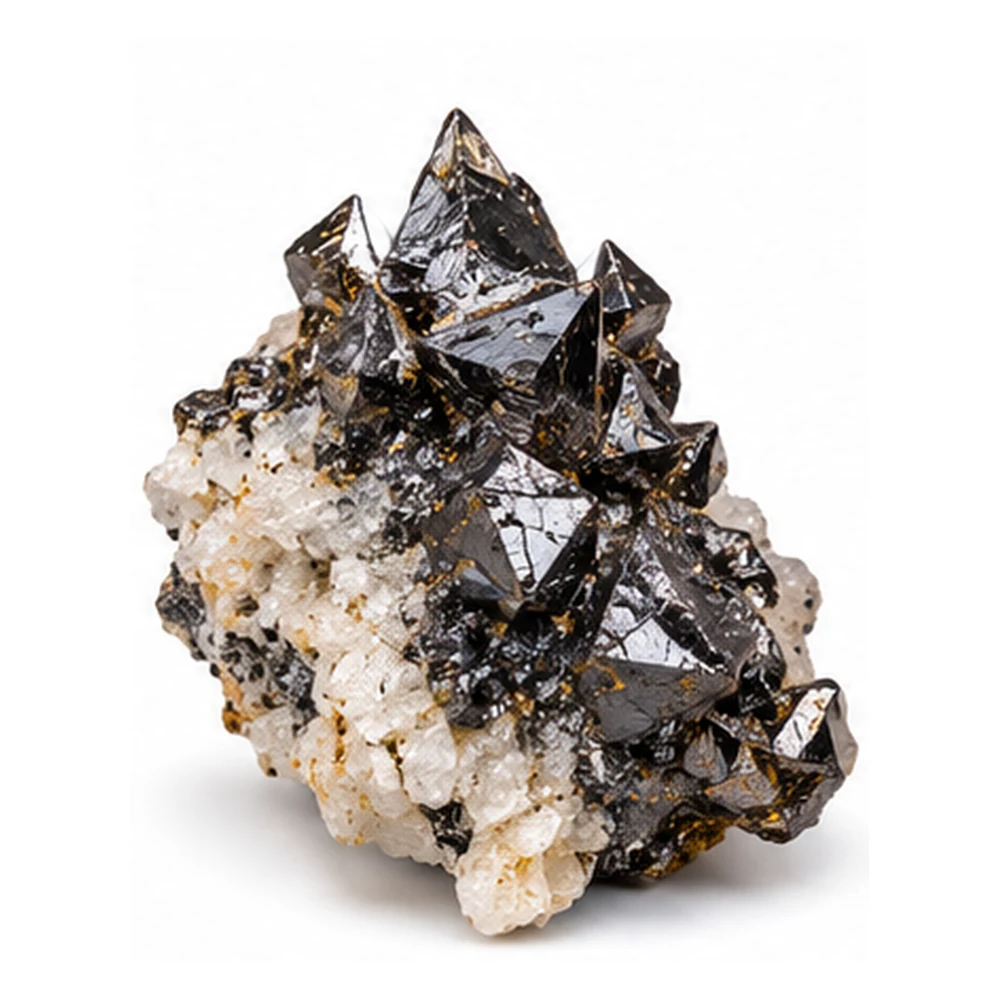 A study in colour and character
Every shade has a story.
Typical appearances for Acanthite. Natural stones vary, and lighting or treatment can change their appearance.
Where Acanthite is found
Germany; Mexico; Czech Republic; Bolivia
 Germany
 Mexico
 Czech Republic
 Bolivia
How it forms
Forms in silver-bearing hydrothermal veins and ore deposits; acanthite is the stable low-temperature form of silver sulphide at room conditions.
These are representative geological or commercial sources, not certified provenance for an individual stone. Country of origin should be substantiated independently when relevant to value.
01 / THE GEM AT A GLANCE
What is Acanthite?
Acanthite is a silver sulphide mineral. Its reported composition is Ag₂S; Mohs hardness is 2–2.5. Typical colour: Lead-grey to black, metallic. Forms in silver-bearing hydrothermal veins and ore deposits; acanthite is the stable low-temperature form of silver sulphide at room conditions. Dark metallic crystals and sculptural aggregates, sometimes retaining the cubic appearance of high-temperature argentite as paramorphs.
Composition: Ag₂S. Scientific properties apply to the mineral or gem type, not as a guarantee about an untested individual product.
Acanthite is a silver sulphide mineral. Its reported composition is Ag₂S; Mohs hardness is 2–2.5. Typical colour: Lead-grey to black, metallic. Forms in silver-bearing hydrothermal veins and ore deposits; acanthite is the stable low-temperature form of silver sulphide at room conditions. Dark metallic crystals and sculptural aggregates, sometimes retaining the cubic appearance of high-temperature argentite as paramorphs. Characteristic appearance: Dark metallic crystals and sculptural aggregates, sometimes retaining the cubic appearance of high-temperature argentite as paramorphs. Representative reported localities include Germany; Mexico; Czech Republic; Bolivia. Those regions are reference occurrences, not independently verified origins of products offered for sale. Be cautious of specimens labelled argentite at room temperature: most are structurally acanthite, even if their external shape looks cubic. Mineral colour and a catalogue photo cannot authenticate an item; serious purchasing decisions require reliable identification, treatment disclosure and specimen provenance. Display mineral rather than a durable everyday jewellery stone: it is soft, often fragile and subject to surface damage. Handle over a padded surface with clean dry hands or gloves; store separately, avoid chemicals, heat, acids and abrasive polishing. Silver-rich ore pieces can contain other sulphides; avoid creating dust and do not use them in crystal elixirs. The apparent cubic shape of many acanthite specimens is inherited from argentite; crystal appearance alone does not establish the high-temperature phase. Collecting note: review a specimen in daylight and neutral light where practical; ask for dimensions, weight, original label, exact source and documented history. Specimen photographs show individual examples, not the full range of natural appearances. Mineral names, historical trade synonyms and rock names should be verified before buying. When uncertain, consult an accredited gemmologist or a mineralogical laboratory rather than applying scratch, flame or acid tests to a valued piece.
02 / LOOK CLOSER
Colour, appearance and quality
Characteristic appearance: Dark metallic crystals and sculptural aggregates, sometimes retaining the cubic appearance of high-temperature argentite as paramorphs. Representative reported localities include Germany; Mexico; Czech Republic; Bolivia. Those regions are reference occurrences, not independently verified origins of products offered for sale.
Before you choose a stone
Compare images taken in more than one lighting condition, ask for views of the actual item and check how the cut and setting change its appearance. A gemstone type is not a standard grade: each natural specimen has its own colour, inclusions and workmanship.
THE GEMHOOD BUYER'S FIELD NOTES
How to choose Acanthite: three checks
- 01
Be cautious of specimens labelled argentite at room temperature: most are structurally acanthite, even if their external shape looks cubic. Mineral colour and a catalogue photo cannot authenticate an item; serious purchasing decisions require reliable identification, treatment disclosure and specimen provenance.
- 02
Handle over a padded surface with clean dry hands or gloves; store separately, avoid chemicals, heat, acids and abrasive polishing.
Silver-rich ore pieces can contain other sulphides; avoid creating dust and do not use them in crystal elixirs.
Display mineral rather than a durable everyday jewellery stone: it is soft, often fragile and subject to surface damage.
These notes describe typical gem material and trade practices. They do not independently grade or identify a specific item offered for sale.
03 / BUY WITH CONFIDENCE
Natural, laboratory-grown, treated or imitation?
Be cautious of specimens labelled argentite at room temperature: most are structurally acanthite, even if their external shape looks cubic. Mineral colour and a catalogue photo cannot authenticate an item; serious purchasing decisions require reliable identification, treatment disclosure and specimen provenance.
These distinctions should be clear in the listing for any particular gem. Treatments are not automatically unacceptable, but an undisclosed treatment, vague mineral identity or unsupported origin claim prevents an informed purchase. Where material identity materially affects value, an independent gemological identification report may be worth considering.
A CLOSER LOOK
Formation, structure and chemistry
Forms in silver-bearing hydrothermal veins and ore deposits; acanthite is the stable low-temperature form of silver sulphide at room conditions.
This silver sulphide mineral is described by Ag₂S. Its Mohs hardness is 2–2.5; that number measures resistance to scratching, not toughness or the safety of a crystal in use.
A CLOSER LOOK
What a genuine specimen can look like
Dark metallic crystals and sculptural aggregates, sometimes retaining the cubic appearance of high-temperature argentite as paramorphs.
Typical colours include Lead-grey to black, metallic. Crystal habit and associated matrix give useful clues, but appearance alone cannot establish a mineral species.
A CLOSER LOOK
Identification and common confusion
Be cautious of specimens labelled argentite at room temperature: most are structurally acanthite, even if their external shape looks cubic.
Compare it carefully with bournonite, manganite. Ask for a documented locality and independent testing before accepting a valuable specimen identification.
A CLOSER LOOK
Where specimens are reported
Reference occurrences include Germany; Mexico; Czech Republic; Bolivia.
These places are examples of recorded occurrences, not country-of-origin claims for jewellery or loose specimens sold by GemHood.
A CLOSER LOOK
Jewellery, collecting and fair purchase
Display mineral rather than a durable everyday jewellery stone: it is soft, often fragile and subject to surface damage.
Silver-rich ore pieces can contain other sulphides; avoid creating dust and do not use them in crystal elixirs.
Request clear seller photographs, scale measurements, evidence of damage and treatment disclosure. A historical locality or specimen label is not an independent certificate.
A CLOSER LOOK
Care, storage and handling
Handle over a padded surface with clean dry hands or gloves; store separately, avoid chemicals, heat, acids and abrasive polishing.
The apparent cubic shape of many acanthite specimens is inherited from argentite; crystal appearance alone does not establish the high-temperature phase.
For sensitive or hazardous collector minerals, store them out of reach in clearly labelled enclosures; never grind, pulverise or place specimens into drinking water.
04 / WEAR IT WELL
Acanthite in jewellery
Display mineral rather than a durable everyday jewellery stone: it is soft, often fragile and subject to surface damage.
05 / MAKE IT LAST
How to care for Acanthite
Handle over a padded surface with clean dry hands or gloves; store separately, avoid chemicals, heat, acids and abrasive polishing.
One essential care distinction
Mohs hardness describes resistance to scratching, not resistance to breaking. Gemstones with cleavage, existing fractures, porous surfaces or fillings can need extra care regardless of their hardness number. If you do not know whether a piece has been treated, begin with the gentlest appropriate cleaning method.
06 / CULTURE & MEANING
History, heritage and symbolism
The apparent cubic shape of many acanthite specimens is inherited from argentite; crystal appearance alone does not establish the high-temperature phase.
Traditional meanings and spiritual associations are part of cultural storytelling. They are not evidence that a gemstone diagnoses, prevents or treats any medical condition.
GOOD QUESTIONS, CLEAR ANSWERS
Acanthite FAQs
What is Acanthite?
Acanthite is a silver sulphide mineral. Its reported composition is Ag₂S; Mohs hardness is 2–2.5. Typical colour: Lead-grey to black, metallic. Forms in silver-bearing hydrothermal veins and ore deposits; acanthite is the stable low-temperature form of silver sulphide at room conditions. Dark metallic crystals and sculptural aggregates, sometimes retaining the cubic appearance of high-temperature argentite as paramorphs.
How hard is Acanthite?
Mohs 2–2.5. Durability also depends on cleavage, brittleness, handling and the specific specimen.
What colours and crystal shapes does Acanthite have?
Lead-grey to black, metallic. Dark metallic crystals and sculptural aggregates, sometimes retaining the cubic appearance of high-temperature argentite as paramorphs.
Where is Acanthite found?
Germany; Mexico; Czech Republic; Bolivia. A specific seller’s location claim needs its own supporting evidence.
Can Acanthite be worn in jewellery?
Display mineral rather than a durable everyday jewellery stone: it is soft, often fragile and subject to surface damage.
How should Acanthite be cleaned and stored?
Handle over a padded surface with clean dry hands or gloves; store separately, avoid chemicals, heat, acids and abrasive polishing.
How can I tell whether Acanthite is genuine?
Be cautious of specimens labelled argentite at room temperature: most are structurally acanthite, even if their external shape looks cubic. Mineral colour and a catalogue photo cannot authenticate an item; serious purchasing decisions require reliable identification, treatment disclosure and specimen provenance.
Are there handling or treatment concerns for Acanthite?
Silver-rich ore pieces can contain other sulphides; avoid creating dust and do not use them in crystal elixirs.
A NOTE FROM THE GEMHOOD EDITORIAL DESK
How to use this guide
We explain gemstone properties, known mining regions and customary treatments to help you shop more confidently. Each gemstone can vary in quality and individual provenance, so compare the actual jewellery listing and request supporting documentation if origin, treatment or natural-versus-laboratory-grown status affects your choice.
Our gemstone library is educational and does not act as a laboratory identification certificate. Independent gemological assessment is advisable for valuable or disputed claims.
EDITORIAL REFERENCES
Research and further reading
References describe mineral species and representative occurrences, not verification of any individual item for sale.
No matching jewellery is currently in stock. Explore the guide or browse our full collection.
Browse jewellery →UNDERSTAND THE DIFFERENCE
Compare Acanthite with similar gemstones
These stones can overlap in colour, appearance or jewellery use. The mineral identity, treatments and durability may be very different.
KEEP EXPLORING
Other gemstones to discover
Educational articles describe gemstone types and common trade practices. They are not individual gemological certificates, current price appraisals or medical advice.