
THE GEMHOOD EDITORIAL LIBRARY
Amethyst gemstone guide
Amethyst is the purple variety of quartz, appreciated for its range from gentle lilac to deep violet. Its colour and relatively good resistance to scratching make it familiar in pe...
Gem facts · Quality considerations · Care & meaning
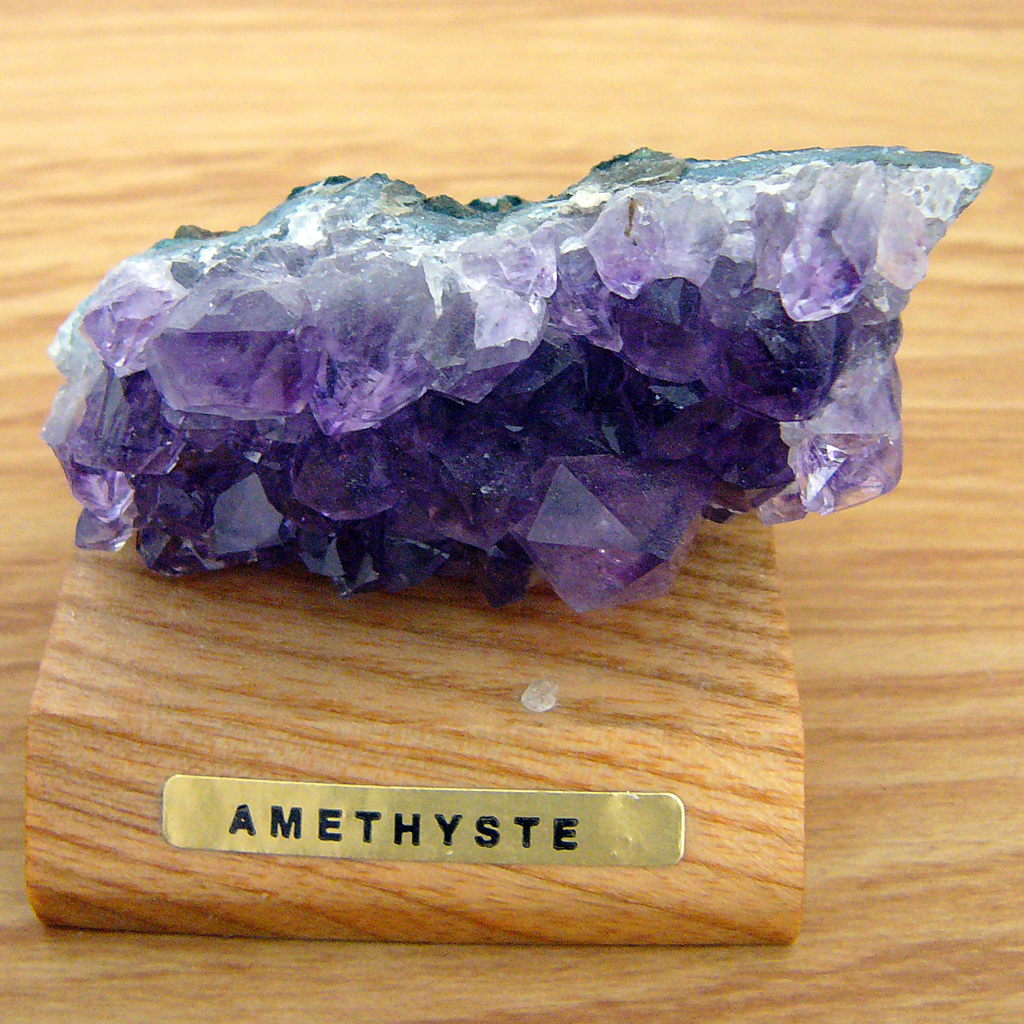 A study in colour and character
01 / THE GEM AT A GLANCE
What is Amethyst?
Amethyst is violet quartz, with colours that can range from delicate lavender to richly saturated purple. It grows in silica-rich geological settings, including cavities in volcanic rocks that can become impressive crystal-lined geodes. Brazil and Uruguay are well-known sources, but colour and cutting quality matter more than a country name alone.
Amethyst is the purple variety of quartz, appreciated for its range from gentle lilac to deep violet. Its colour and relatively good resistance to scratching make it familiar in pendants, earrings, rings and bracelets. Like other jewellery stones, it still deserves protection from hard knocks and careless storage.
GEOLOGICAL ORIGINS & SOURCE REGIONS
Where does Amethyst come from?
Amethyst grows when silica-bearing fluids form quartz crystals, frequently lining cavities in volcanic rock or filling fractures. Trace iron and natural irradiation contribute to purple colour; zoning can reflect successive stages of crystal growth.
Brazil and Uruguay are major sources of geodes; Zambia, Madagascar, India and other regions also produce amethyst.
Does the country of origin affect value?
Country labels do not guarantee deeper purple or higher clarity. Judge the actual stone, its colour zoning and cutting, and ask whether the material is natural or synthetic quartz.
Important: The countries above are examples of known gemstone-producing regions, not claims about the mining location of any GEMHOOD jewellery item. A stone's geographic origin cannot always be determined from photographs or appearance; ask for specific supporting documentation where provenance matters.
02 / LOOK CLOSER
Colour, appearance and quality
Judge amethyst face-up in even lighting. Desirable examples show lively reddish-purple or violet colour without distracting patches of pale zoning, overly dark extinction, or large fractures. A thoughtful cut makes the entire stone attractive rather than merely maximizing weight.
Before you choose a stone
Compare images taken in more than one lighting condition, ask for views of the actual item and check how the cut and setting change its appearance. A gemstone type is not a standard grade: each natural specimen has its own colour, inclusions and workmanship.
THE GEMHOOD BUYER'S FIELD NOTES
How to choose Amethyst: three checks
- 01
Judge violet colour face-up; check whether the centre is unexpectedly pale while the edges are dark from a poorly balanced cut.
- 02
Look for distracting cracks and colour zoning, while accepting that natural growth zoning can also be characteristic.
- 03
Ask whether the piece is natural quartz or lab-grown quartz, and whether the advertised colour has been modified.
The term 'deep purple' alone does not establish exceptional quality; compare the actual colour under ordinary indoor light.
A well-finished pendant or earrings are convenient choices when long hours of intense sun exposure can be avoided.
These notes describe typical gem material and trade practices. They do not independently grade or identify a specific item offered for sale.
03 / BUY WITH CONFIDENCE
Natural, laboratory-grown, treated or imitation?
Natural amethyst and hydrothermally grown synthetic quartz can appear deceptively similar. Some quartz is heated to create citrine-like yellow or orange colours; the word amethyst should refer to the purple variety. Ask for honest treatment and origin claims instead of accepting unsupported locality stories.
These distinctions should be clear in the listing for any particular gem. Treatments are not automatically unacceptable, but an undisclosed treatment, vague mineral identity or unsupported origin claim prevents an informed purchase. Where material identity materially affects value, an independent gemological identification report may be worth considering.
A CLOSER LOOK
The geology behind purple quartz
Amethyst is a quartz variety with a striking violet identity. Its colour involves trace iron and natural irradiation acting on the crystal structure during geological history. The presence of iron alone does not guarantee a purple gem; the precise defect structure and growth conditions influence how much violet colour develops.
Amethyst crystals occur in several environments. Some of the best-known commercial deposits form as crystal linings in cavities within volcanic rocks, where silica-rich fluids gradually deposit quartz. The walls of large geodes can contain impressive crystals, while other localities produce smaller or differently formed specimens. Source geography adds history, but does not replace evaluation of the gem in front of you.
A CLOSER LOOK
Understanding the best amethyst colour
Purple amethyst can lean toward blue or red, and stones range from pastel lilac to deep violet. Strong, lively purple-to-reddish-purple material is especially admired, but a darker stone should still return light through the crown. If the centre looks almost black in ordinary light, excessive tone can hide the beauty of the colour.
Colour zoning is common in natural quartz. A skillful cutter may orient the gem to minimise obvious pale sections when viewed face-up. Hold a stone at normal viewing distance as well as in close-up photography: the most successful cut displays pleasing colour over the entire visible surface rather than an isolated dramatic patch.
A CLOSER LOOK
Natural, synthetic and heat-treated quartz
Hydrothermal techniques can grow synthetic amethyst with the same essential mineral composition as natural quartz. The distinction is its laboratory-grown origin, which should be disclosed. Some natural amethyst is heated to produce yellow-to-orange material sold as citrine. The resulting gemstone should be described using the material and treatment relevant to the item being sold.
An online photograph cannot definitively establish natural origin. A meaningful buying description includes treatment status, dimensions, colour and whether a laboratory report exists. An independent report may be appropriate for a large or unusually valuable specimen, but is not automatically necessary for every affordable amethyst pendant.
A CLOSER LOOK
Amethyst jewellery and thoughtful gifting
Faceted amethyst works beautifully with classic gold and silver designs, while carved and polished material can express a more sculptural style. Because quartz is harder than many ornamental gems, it suits a range of jewellery forms, though the setting should protect edges and the wearer should avoid strong knocks.
Amethyst is February’s modern birthstone and appears in many historical traditions. Its ancient association with sobriety is a story about how people understood gemstones, not evidence that wearing it alters drinking behaviour. A February gift is better presented as a beautiful violet stone with an interesting cultural history and clear care advice.
04 / WEAR IT WELL
Amethyst in jewellery
Choose between a refined faceted gem and an expressive cabochon or geode-inspired design. Compare colour in daylight and indoor light, inspect the setting and ask for close-up images if buying remotely.
05 / MAKE IT LAST
How to care for Amethyst
Quartz has Mohs hardness 7, practical for pendants, earrings and protected rings, but it can still chip. Wash with mild soap and lukewarm water, dry gently and avoid intense heat, abrupt temperature changes and prolonged harsh sunlight.
One essential care distinction
Mohs hardness describes resistance to scratching, not resistance to breaking. Gemstones with cleavage, existing fractures, porous surfaces or fillings can need extra care regardless of their hardness number. If you do not know whether a piece has been treated, begin with the gentlest appropriate cleaning method.
06 / CULTURE & MEANING
History, heritage and symbolism
Its Greek-derived name is linked to ancient beliefs about sobriety. Amethyst also features in religious, royal and decorative jewellery traditions and is the modern February birthstone. These stories are cultural history, not proof of wellness effects.
Traditional meanings and spiritual associations are part of cultural storytelling. They are not evidence that a gemstone diagnoses, prevents or treats any medical condition.
GOOD QUESTIONS, CLEAR ANSWERS
Amethyst FAQs
What makes amethyst purple?
Amethyst is quartz whose violet colour arises from trace iron-related defects and natural irradiation during geological formation. Colour depth varies among crystals and deposits.
Does amethyst fade in sunlight?
Some amethyst material can lose colour after prolonged intense light or heat exposure. Keep treasured pieces away from extended harsh sunlight and high temperatures.
Is amethyst suitable for an everyday ring?
At Mohs hardness 7, amethyst can work in rings with sensible care, but the stone can scratch or chip. A protective setting and gentle cleaning help preserve it.
Is all citrine made from heated amethyst?
No. Natural citrine exists, but much commercial citrine is made by heating suitable amethyst or smoky quartz. Check the seller’s treatment disclosure.
Is amethyst the February birthstone?
Yes. Amethyst is the well-established modern February birthstone and a frequent choice for jewellery gifts.
A NOTE FROM THE GEMHOOD EDITORIAL DESK
How to use this guide
We explain gemstone properties, known mining regions and customary treatments to help you shop more confidently. Each gemstone can vary in quality and individual provenance, so compare the actual jewellery listing and request supporting documentation if origin, treatment or natural-versus-laboratory-grown status affects your choice.
Our gemstone library is educational and does not act as a laboratory identification certificate. Independent gemological assessment is advisable for valuable or disputed claims.
No matching jewellery is currently in stock. Explore the guide or browse our full collection.
Browse jewellery →UNDERSTAND THE DIFFERENCE
Compare Amethyst with similar gemstones
These stones can overlap in colour, appearance or jewellery use. The mineral identity, treatments and durability may be very different.
KEEP EXPLORING
Other gemstones to discover
Educational articles describe gemstone types and common trade practices. They are not individual gemological certificates, current price appraisals or medical advice.