
THE GEMHOOD EDITORIAL LIBRARY
Aquamarine gemstone guide
Aquamarine belongs to the beryl mineral family. Its recognisable blue to blue-green colouring often appears in delicate pendants and rings, where an open setting helps the stone ca...
Gem facts · Quality considerations · Care & meaning
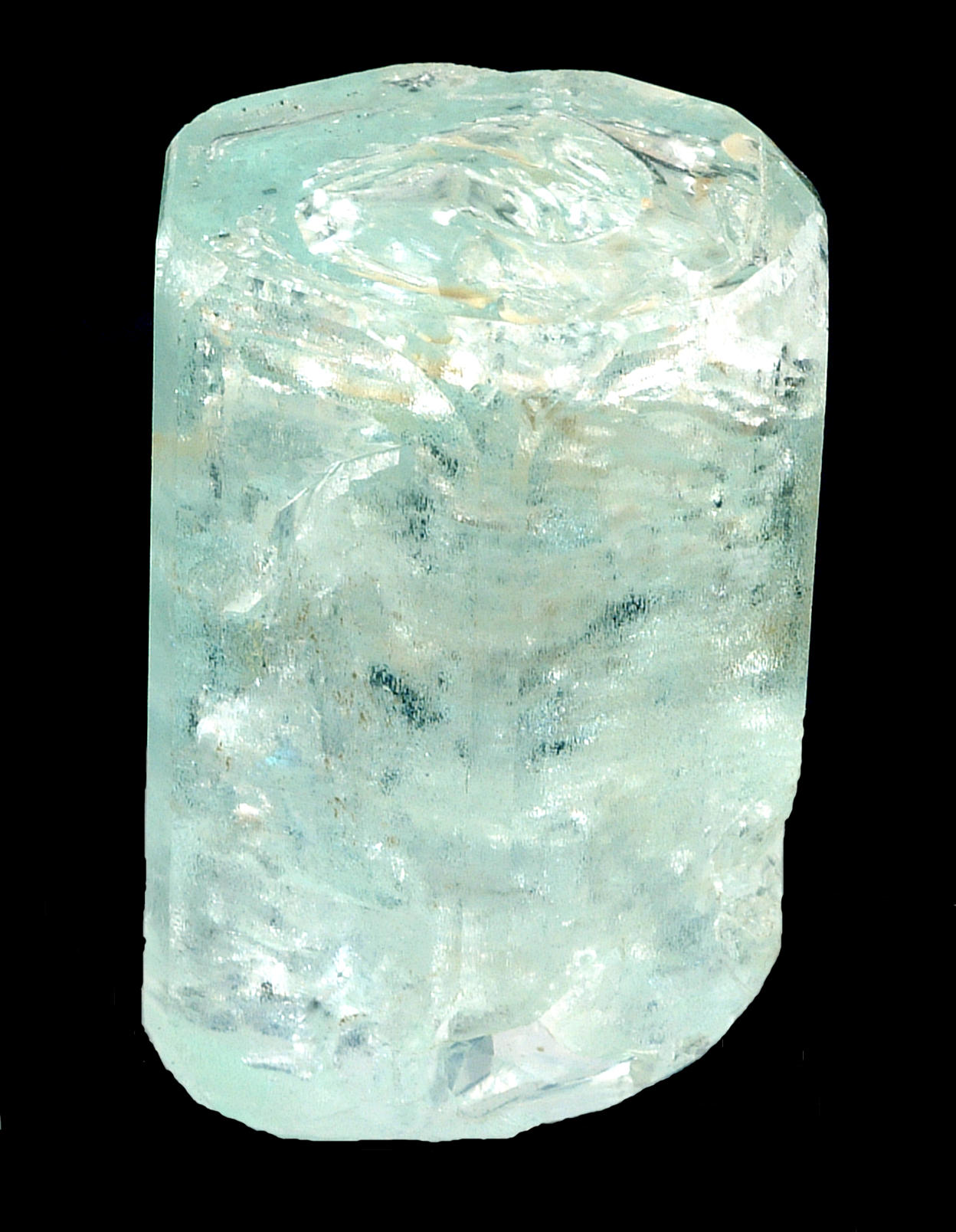 A study in colour and character
01 / THE GEM AT A GLANCE
What is Aquamarine?
Aquamarine is the blue to greenish-blue variety of beryl, the mineral family that also includes emerald and morganite. Its watery colours are produced by iron, and fine crystals occur in pegmatites and related geological environments.
Aquamarine belongs to the beryl mineral family. Its recognisable blue to blue-green colouring often appears in delicate pendants and rings, where an open setting helps the stone catch light. As with any gem, clarity, cut, treatment disclosures and the actual metal setting must be checked for the individual item.
GEOLOGICAL ORIGINS & SOURCE REGIONS
Where does Aquamarine come from?
Aquamarine is the blue to blue-green gem variety of beryl. Large transparent crystals can form in granitic pegmatites, with iron-related trace chemistry producing the characteristic blue hues.
Brazil is a longstanding major source, and Pakistan, Nigeria, Madagascar, Mozambique and other countries also yield gem-quality aquamarine.
Does the country of origin affect value?
Light blue colours are common. Heat treatment may be used to reduce a greenish component; ask about treatment rather than assuming a particular country determines quality.
Important: The countries above are examples of known gemstone-producing regions, not claims about the mining location of any GEMHOOD jewellery item. A stone's geographic origin cannot always be determined from photographs or appearance; ask for specific supporting documentation where provenance matters.
02 / LOOK CLOSER
Colour, appearance and quality
Colour is central: compare pale blue, greener blue and more saturated tones in consistent daylight. Inspect the gem for a lively cut, overly windowed centre and any significant inclusions. Larger pale stones are not automatically more valuable than smaller well-coloured ones.
Before you choose a stone
Compare images taken in more than one lighting condition, ask for views of the actual item and check how the cut and setting change its appearance. A gemstone type is not a standard grade: each natural specimen has its own colour, inclusions and workmanship.
THE GEMHOOD BUYER'S FIELD NOTES
How to choose Aquamarine: three checks
- 01
Compare lively blue saturation against overly pale stones; cut quality should maintain sparkle without a large window.
- 02
Look for chips at exposed corners and whether apparent inclusions interrupt the otherwise bright appearance.
- 03
Ask about heat treatment and confirm the stone is beryl aquamarine rather than blue glass or another blue gem.
Large size alone does not mean strong colour or high value; paler aquamarine can remain attractive but should be described honestly.
Suitable for many jewellery styles with normal precautions; protective settings are useful for active daily wear.
These notes describe typical gem material and trade practices. They do not independently grade or identify a specific item offered for sale.
03 / BUY WITH CONFIDENCE
Natural, laboratory-grown, treated or imitation?
Heating is commonly used to reduce greener components and produce a clearer blue. Ask for treatment disclosures and avoid paying a premium for unverified claims of specific origins or exceptional untreated colour.
These distinctions should be clear in the listing for any particular gem. Treatments are not automatically unacceptable, but an undisclosed treatment, vague mineral identity or unsupported origin claim prevents an informed purchase. Where material identity materially affects value, an independent gemological identification report may be worth considering.
04 / WEAR IT WELL
Aquamarine in jewellery
For a ring, favor secure prongs or a protective bezel. For earrings and pendants, a lighter open setting can emphasize transparency and the gem's luminous blue.
05 / MAKE IT LAST
How to care for Aquamarine
Aquamarine's hardness is about 7.5–8 but the stone should still be protected against knocks. Clean gently with lukewarm soapy water and a soft brush around secure mounts; avoid high heat and mechanical cleaning when fractures are present.
One essential care distinction
Mohs hardness describes resistance to scratching, not resistance to breaking. Gemstones with cleavage, existing fractures, porous surfaces or fillings can need extra care regardless of their hardness number. If you do not know whether a piece has been treated, begin with the gentlest appropriate cleaning method.
06 / CULTURE & MEANING
History, heritage and symbolism
Its sea-inspired name and maritime folklore make aquamarine a familiar March birthstone and a gift associated with calm waters and journeys. Those meanings are traditional, not physical properties.
Traditional meanings and spiritual associations are part of cultural storytelling. They are not evidence that a gemstone diagnoses, prevents or treats any medical condition.
GOOD QUESTIONS, CLEAR ANSWERS
Aquamarine FAQs
What should I examine when buying aquamarine?
Colour is central: compare pale blue, greener blue and more saturated tones in consistent daylight. Inspect the gem for a lively cut, overly windowed centre and any significant inclusions. Larger pale stones are not automatically more valuable than smaller well-coloured ones.
Can aquamarine be used in everyday jewellery?
Aquamarine's hardness is about 7.5–8 but the stone should still be protected against knocks. Clean gently with lukewarm soapy water and a soft brush around secure mounts; avoid high heat and mechanical cleaning when fractures are present.
How do I check that aquamarine is described accurately?
Heating is commonly used to reduce greener components and produce a clearer blue. Ask for treatment disclosures and avoid paying a premium for unverified claims of specific origins or exceptional untreated colour.
A NOTE FROM THE GEMHOOD EDITORIAL DESK
How to use this guide
We explain gemstone properties, known mining regions and customary treatments to help you shop more confidently. Each gemstone can vary in quality and individual provenance, so compare the actual jewellery listing and request supporting documentation if origin, treatment or natural-versus-laboratory-grown status affects your choice.
Our gemstone library is educational and does not act as a laboratory identification certificate. Independent gemological assessment is advisable for valuable or disputed claims.
No matching jewellery is currently in stock. Explore the guide or browse our full collection.
Browse jewellery →UNDERSTAND THE DIFFERENCE
Compare Aquamarine with similar gemstones
These stones can overlap in colour, appearance or jewellery use. The mineral identity, treatments and durability may be very different.
KEEP EXPLORING
Other gemstones to discover
Educational articles describe gemstone types and common trade practices. They are not individual gemological certificates, current price appraisals or medical advice.