
THE GEMHOOD EDITORIAL LIBRARY
Benitoite gemstone guide
A scarce blue barium titanium silicate notable for strong dispersion and its California history.
Gem facts · Quality considerations · Care & meaning
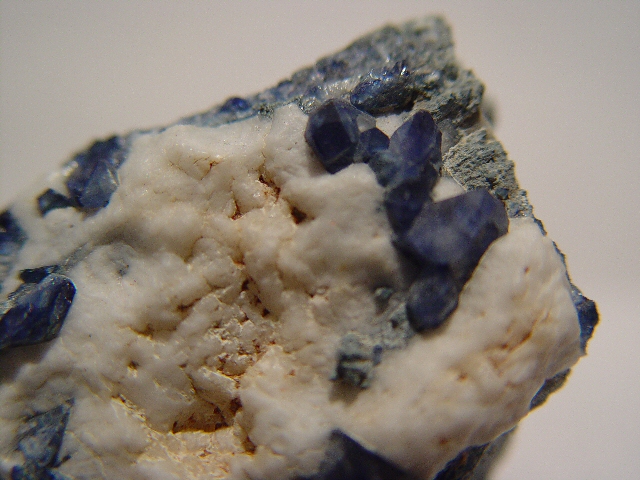 A study in colour and character
01 / THE GEM AT A GLANCE
What is Benitoite?
Benitoite is a rare blue barium titanium silicate best known from California. Under suitable cutting it can show attractive dispersion, separating light into flashes of colour, although its geological occurrence is far less common than sapphire or blue topaz.
GEOLOGICAL ORIGINS & SOURCE REGIONS
Where does Benitoite come from?
Benitoite is a rare blue barium titanium silicate associated with specific metamorphic and hydrothermal geological conditions. Fine facetable crystals are scarce and highly collectible.
The classic gem locality is San Benito County in California, United States, where the mineral was first recognised.
Does the country of origin affect value?
Because gem material is uncommon, request credible mineral identification and provenance documentation, especially for stones marketed as exceptional collector specimens.
Important: The countries above are examples of known gemstone-producing regions, not claims about the mining location of any GEMHOOD jewellery item. A stone's geographic origin cannot always be determined from photographs or appearance; ask for specific supporting documentation where provenance matters.
02 / LOOK CLOSER
Colour, appearance and quality
Look for appealing blue hue, lively faceting and a cutter's balance between colour and brilliance. Because small stones are typical, cut precision may matter more than pursuing size.
Before you choose a stone
Compare images taken in more than one lighting condition, ask for views of the actual item and check how the cut and setting change its appearance. A gemstone type is not a standard grade: each natural specimen has its own colour, inclusions and workmanship.
THE GEMHOOD BUYER'S FIELD NOTES
How to choose Benitoite: three checks
- 01
For a collector-grade stone, compare the blue hue and dispersion in neutral light and request detailed views of the actual stone.
- 02
Look for chips and inclusions, and consider how rarity influences the availability of replacement material.
- 03
Request independent mineral identification and supporting locality claims rather than relying solely on a listing title.
Small size is normal for faceted benitoite; do not judge rarity solely by carat weight.
Consider a protective display-oriented setting and retain documentation with the item.
These notes describe typical gem material and trade practices. They do not independently grade or identify a specific item offered for sale.
03 / BUY WITH CONFIDENCE
Natural, laboratory-grown, treated or imitation?
Scarcity and a high claimed price make reliable identity documentation especially important. A generic bright-blue gemstone should not be sold as benitoite without good evidence.
These distinctions should be clear in the listing for any particular gem. Treatments are not automatically unacceptable, but an undisclosed treatment, vague mineral identity or unsupported origin claim prevents an informed purchase. Where material identity materially affects value, an independent gemological identification report may be worth considering.
04 / WEAR IT WELL
Benitoite in jewellery
For expensive purchases, request independent identification and detailed images of the actual gem. A secure mounting is essential.
05 / MAKE IT LAST
How to care for Benitoite
Benitoite has hardness around 6–6.5 and requires careful wear. Prefer pendants or earrings and avoid rough impacts, abrasives and ultrasonic cleaning.
One essential care distinction
Mohs hardness describes resistance to scratching, not resistance to breaking. Gemstones with cleavage, existing fractures, porous surfaces or fillings can need extra care regardless of their hardness number. If you do not know whether a piece has been treated, begin with the gentlest appropriate cleaning method.
06 / CULTURE & MEANING
History, heritage and symbolism
Associated with San Benito County, benitoite is California's state gemstone. Its story combines mineral discovery with distinctive blue appearance.
Traditional meanings and spiritual associations are part of cultural storytelling. They are not evidence that a gemstone diagnoses, prevents or treats any medical condition.
GOOD QUESTIONS, CLEAR ANSWERS
Benitoite FAQs
What should I examine when buying benitoite?
Look for appealing blue hue, lively faceting and a cutter's balance between colour and brilliance. Because small stones are typical, cut precision may matter more than pursuing size.
Can benitoite be used in everyday jewellery?
Benitoite has hardness around 6–6.5 and requires careful wear. Prefer pendants or earrings and avoid rough impacts, abrasives and ultrasonic cleaning.
How do I check that benitoite is described accurately?
Scarcity and a high claimed price make reliable identity documentation especially important. A generic bright-blue gemstone should not be sold as benitoite without good evidence.
A NOTE FROM THE GEMHOOD EDITORIAL DESK
How to use this guide
We explain gemstone properties, known mining regions and customary treatments to help you shop more confidently. Each gemstone can vary in quality and individual provenance, so compare the actual jewellery listing and request supporting documentation if origin, treatment or natural-versus-laboratory-grown status affects your choice.
Our gemstone library is educational and does not act as a laboratory identification certificate. Independent gemological assessment is advisable for valuable or disputed claims.
No matching jewellery is currently in stock. Explore the guide or browse our full collection.
Browse jewellery →UNDERSTAND THE DIFFERENCE
Compare Benitoite with similar gemstones
These stones can overlap in colour, appearance or jewellery use. The mineral identity, treatments and durability may be very different.
KEEP EXPLORING
Other gemstones to discover
Educational articles describe gemstone types and common trade practices. They are not individual gemological certificates, current price appraisals or medical advice.