
THE GEMHOOD EDITORIAL LIBRARY
Carnelian gemstone guide
An orange-to-red variety of chalcedony quartz frequently carved into beads and seals.
Gem facts · Quality considerations · Care & meaning
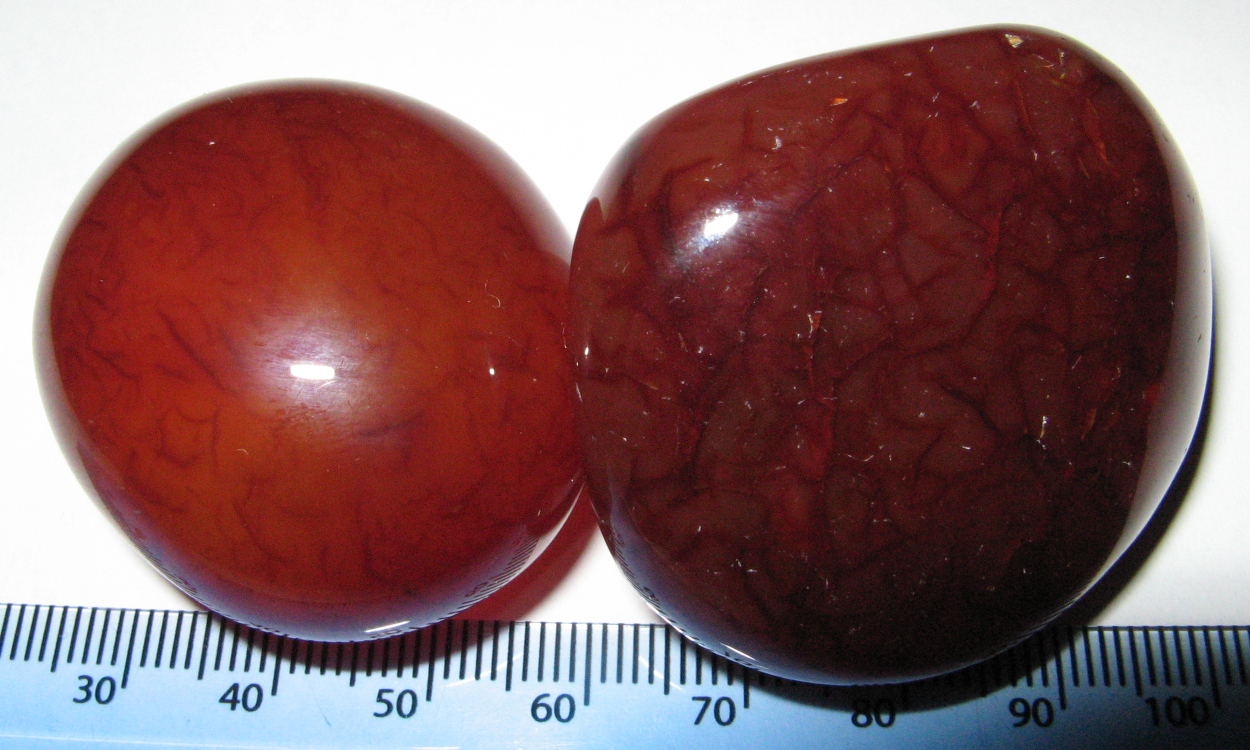 A study in colour and character
01 / THE GEM AT A GLANCE
What is Carnelian?
Carnelian is orange-to-reddish chalcedony, a microcrystalline form of quartz. Its warm translucent-to-opaque colour has made it a favourite for beads, intaglios and simple polished jewellery.
GEOLOGICAL ORIGINS & SOURCE REGIONS
Where does Carnelian come from?
Carnelian is orange-to-reddish chalcedony. Its colour relates to finely dispersed iron compounds, and natural warming or deliberate heat treatment can deepen its appearance.
India has longstanding cutting and trading traditions; Brazil, Uruguay and other silica-rich regions also produce carnelian.
Does the country of origin affect value?
Ask whether colour has been heated or dyed, particularly for very uniform deep-red beads. Quality depends on attractive tone and finishing, not geography alone.
Important: The countries above are examples of known gemstone-producing regions, not claims about the mining location of any GEMHOOD jewellery item. A stone's geographic origin cannot always be determined from photographs or appearance; ask for specific supporting documentation where provenance matters.
02 / LOOK CLOSER
Colour, appearance and quality
Check the tone and depth of orange-red, the translucency and the crispness of any carving. Inspect close-ups for cracks, uneven polish and poorly finished drill holes.
Before you choose a stone
Compare images taken in more than one lighting condition, ask for views of the actual item and check how the cut and setting change its appearance. A gemstone type is not a standard grade: each natural specimen has its own colour, inclusions and workmanship.
THE GEMHOOD BUYER'S FIELD NOTES
How to choose Carnelian: three checks
- 01
Compare the orange-red hue and light transmission in even light; some pieces look brownish or overly opaque.
- 02
Review drilled beads and carved edges for chips or uneven polish.
- 03
Ask whether the stone has been heated, dyed or otherwise colour-enhanced.
Deep uniform red colour is not automatic evidence of rare natural material.
Convenient for beads, pendants and everyday casual jewellery with normal care.
These notes describe typical gem material and trade practices. They do not independently grade or identify a specific item offered for sale.
03 / BUY WITH CONFIDENCE
Natural, laboratory-grown, treated or imitation?
Heating may intensify the colour of some chalcedony; dyed imitation material also exists. Ask whether the seller can describe the material and any enhancement.
These distinctions should be clear in the listing for any particular gem. Treatments are not automatically unacceptable, but an undisclosed treatment, vague mineral identity or unsupported origin claim prevents an informed purchase. Where material identity materially affects value, an independent gemological identification report may be worth considering.
04 / WEAR IT WELL
Carnelian in jewellery
Choose smooth, well-cut beads and comfortable settings. Warm gold metals can complement the stone while silver offers stronger contrast.
05 / MAKE IT LAST
How to care for Carnelian
Carnelian's quartz-like hardness, around 6.5–7, is practical for many styles. Use gentle soapy water and keep it separate from harder gems during storage.
One essential care distinction
Mohs hardness describes resistance to scratching, not resistance to breaking. Gemstones with cleavage, existing fractures, porous surfaces or fillings can need extra care regardless of their hardness number. If you do not know whether a piece has been treated, begin with the gentlest appropriate cleaning method.
06 / CULTURE & MEANING
History, heritage and symbolism
Ancient cultures carved carnelian into seals and ornaments. Its modern symbolism commonly invokes vitality, though such meanings are matters of tradition.
Traditional meanings and spiritual associations are part of cultural storytelling. They are not evidence that a gemstone diagnoses, prevents or treats any medical condition.
GOOD QUESTIONS, CLEAR ANSWERS
Carnelian FAQs
What should I examine when buying carnelian?
Check the tone and depth of orange-red, the translucency and the crispness of any carving. Inspect close-ups for cracks, uneven polish and poorly finished drill holes.
Can carnelian be used in everyday jewellery?
Carnelian's quartz-like hardness, around 6.5–7, is practical for many styles. Use gentle soapy water and keep it separate from harder gems during storage.
How do I check that carnelian is described accurately?
Heating may intensify the colour of some chalcedony; dyed imitation material also exists. Ask whether the seller can describe the material and any enhancement.
A NOTE FROM THE GEMHOOD EDITORIAL DESK
How to use this guide
We explain gemstone properties, known mining regions and customary treatments to help you shop more confidently. Each gemstone can vary in quality and individual provenance, so compare the actual jewellery listing and request supporting documentation if origin, treatment or natural-versus-laboratory-grown status affects your choice.
Our gemstone library is educational and does not act as a laboratory identification certificate. Independent gemological assessment is advisable for valuable or disputed claims.
No matching jewellery is currently in stock. Explore the guide or browse our full collection.
Browse jewellery →UNDERSTAND THE DIFFERENCE
Compare Carnelian with similar gemstones
These stones can overlap in colour, appearance or jewellery use. The mineral identity, treatments and durability may be very different.
KEEP EXPLORING
Other gemstones to discover
Educational articles describe gemstone types and common trade practices. They are not individual gemological certificates, current price appraisals or medical advice.