Skip to content
GEMSTONE JEWELLERY & MEANINGFUL GIFTSDiscover your gemstone
COMPARE BEFORE YOU CHOOSE

Two gemstones.
Side by side.

Look beyond the sparkle. Explore the colours, origins, mineral families and everyday-care differences that make every gemstone unique.

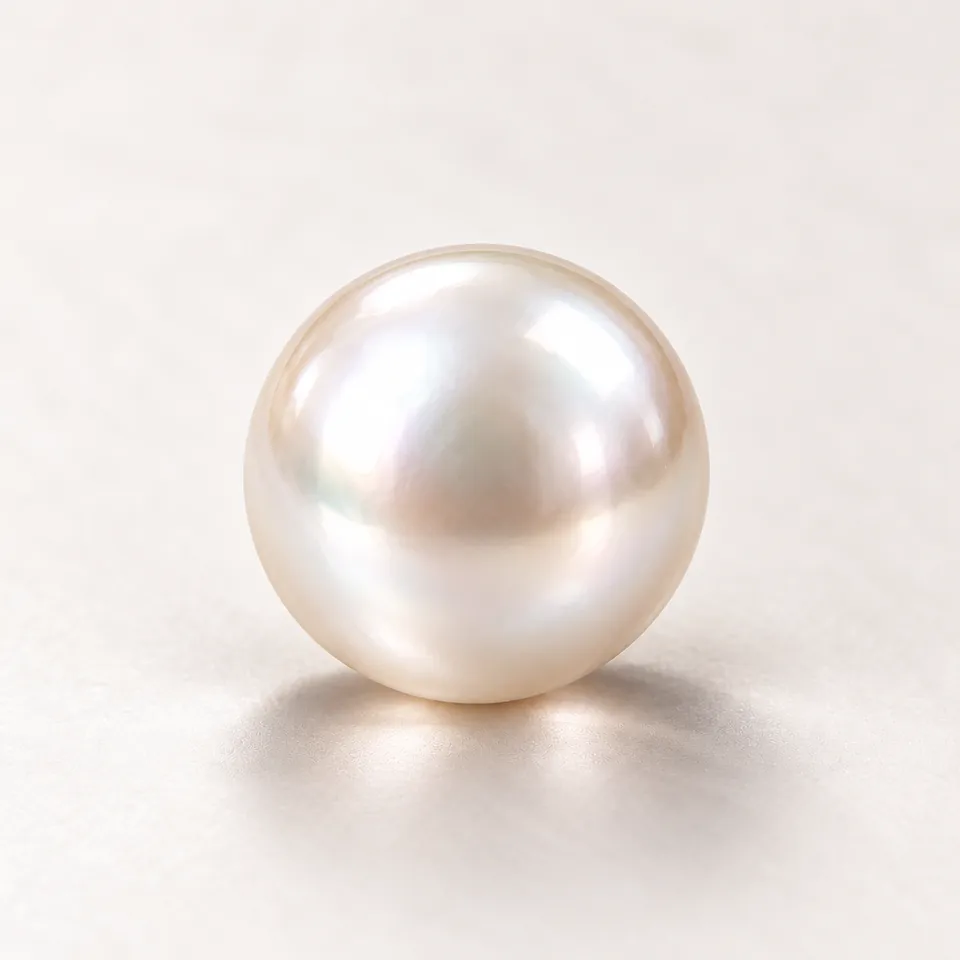
Illustration or example specimen of Pearl
GEMSTONE ONE

Pearl

An organic gem formed within certain molluscs; natural and cultured pearls must be accurately distinguished.

Colour & appearance
White, cream and other colours
Mineral family
Biogenic calcium carbonate
Mohs hardness
2.5–4.5
Representative source regions
Cultured-pearl production is associated with China and Japan, as well as Australia, Indonesia, the Philippines and French Polynesia. The Persian Gulf is historically significant for natural pearls.

China Japan Australia Indonesia Philippines French Polynesia





Jewellery & care
Consider the gemstone’s toughness, setting and cleaning requirements.
WhiteCream
Read the Pearl guide
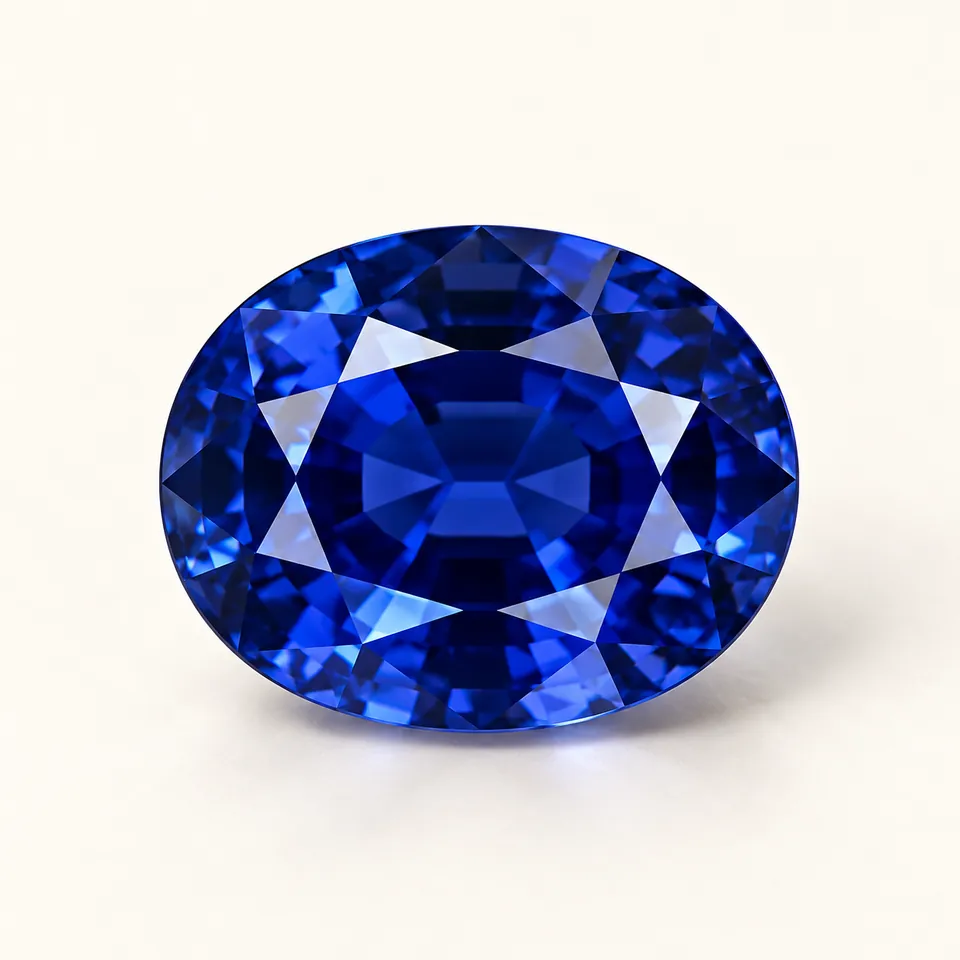
Illustration or example specimen of Sapphire
GEMSTONE TWO

Sapphire

Sapphire is a gem variety of corundum, often associated with blue but also found in other colours. Its hardness makes it an enduring jewellery material, although the secu...

Colour & appearance
Blue and other colours
Mineral family
Corundum (Al₂O₃)
Mohs hardness
9
Representative source regions
Sri Lanka, Madagascar, Myanmar, Australia, Thailand and Montana in the United States are recognised sources. The Kashmir region is historically famous for highly valued blue sapphires.
Sri Lanka Madagascar Myanmar Australia Thailand United States
Jewellery & care
Choose the style and setting to suit the specific stone, treatment information and intended use.
Blue
Read the Sapphire guide

Hardness measures scratch resistance, not breakage. Source regions are educational examples, not claims about the provenance of an individual GEMHOOD product. Images may be digital gemstone illustrations.

Found something worth sharing?Share this guide or tool with someone who loves gemstones.
Facebook WhatsApp
Need help?