Skip to content
GEMSTONE JEWELLERY & MEANINGFUL GIFTSDiscover your gemstone
COMPARE BEFORE YOU CHOOSE

Two gemstones.
Side by side.

Look beyond the sparkle. Explore the colours, origins, mineral families and everyday-care differences that make every gemstone unique.

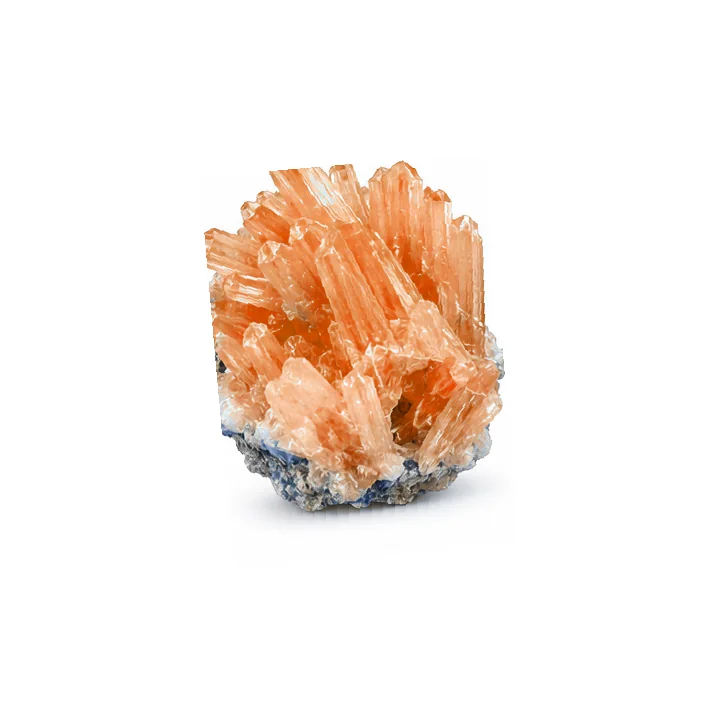
Illustration or example specimen of Wulfenite
GEMSTONE ONE

Wulfenite

Wulfenite is a lead molybdate mineral admired for brilliant orange tabular crystals and is chiefly valued as a collector specimen. This very soft lead-bearing mineral is...

Colour & appearance
Orange, yellow and red
Mineral family
Lead molybdate mineral
Mohs hardness
2.5–3
Representative source regions
Mexico; United States
Mexico United States
Jewellery & care
This very soft lead-bearing mineral is unsuitable for ordinary jewellery wear and should be handled as a mineral specimen, not a child-safe toy.
OrangeYellowRed
Read the Wulfenite guide
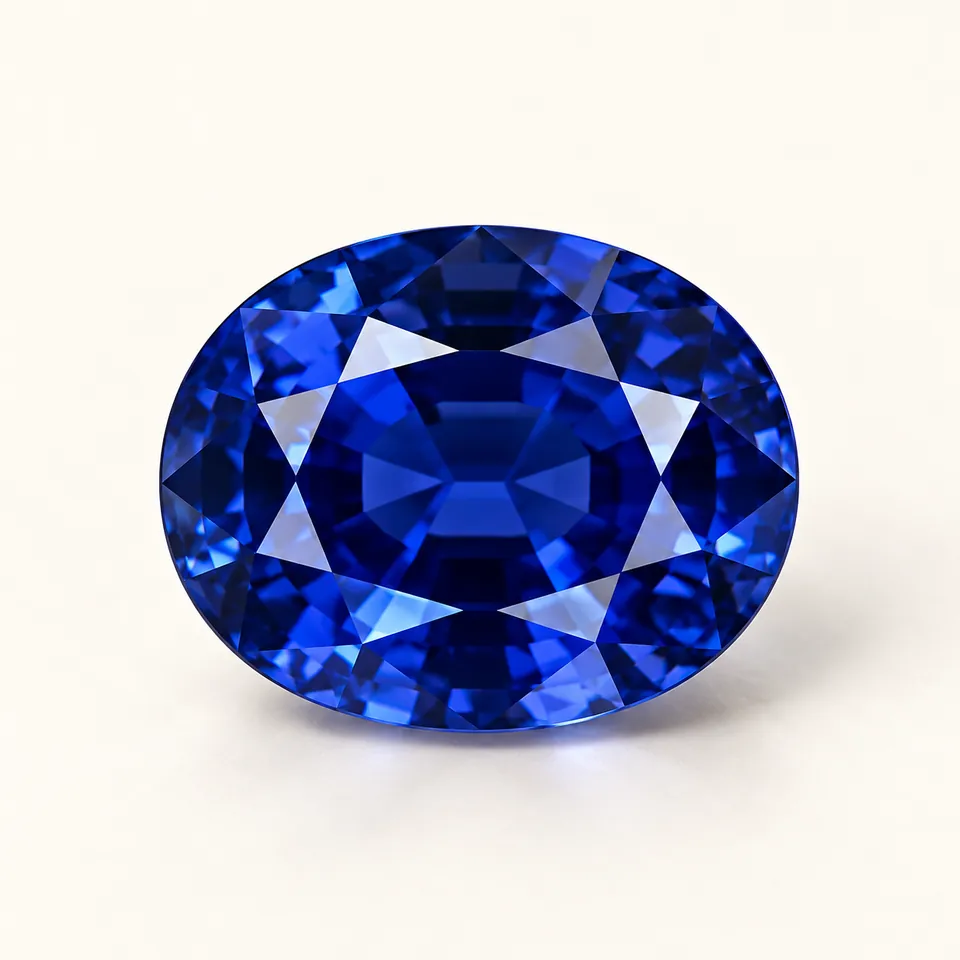
Illustration or example specimen of Sapphire
GEMSTONE TWO

Sapphire

Sapphire is a gem variety of corundum, often associated with blue but also found in other colours. Its hardness makes it an enduring jewellery material, although the secu...

Colour & appearance
Blue and other colours
Mineral family
Corundum (Al₂O₃)
Mohs hardness
9
Representative source regions
Sri Lanka, Madagascar, Myanmar, Australia, Thailand and Montana in the United States are recognised sources. The Kashmir region is historically famous for highly valued blue sapphires.
Sri Lanka Madagascar Myanmar Australia Thailand United States

Jewellery & care
Choose the style and setting to suit the specific stone, treatment information and intended use.
Blue
Read the Sapphire guide

Hardness measures scratch resistance, not breakage. Source regions are educational examples, not claims about the provenance of an individual GEMHOOD product. Images may be digital gemstone illustrations.

Found something worth sharing?Share this guide or tool with someone who loves gemstones.
Facebook WhatsApp
Need help?