
THE GEMHOOD EDITORIAL LIBRARY
Diamond gemstone guide
Crystalline carbon prized for its hardness and brilliance; natural diamonds form deep within the Earth.
Gem facts · Quality considerations · Care & meaning
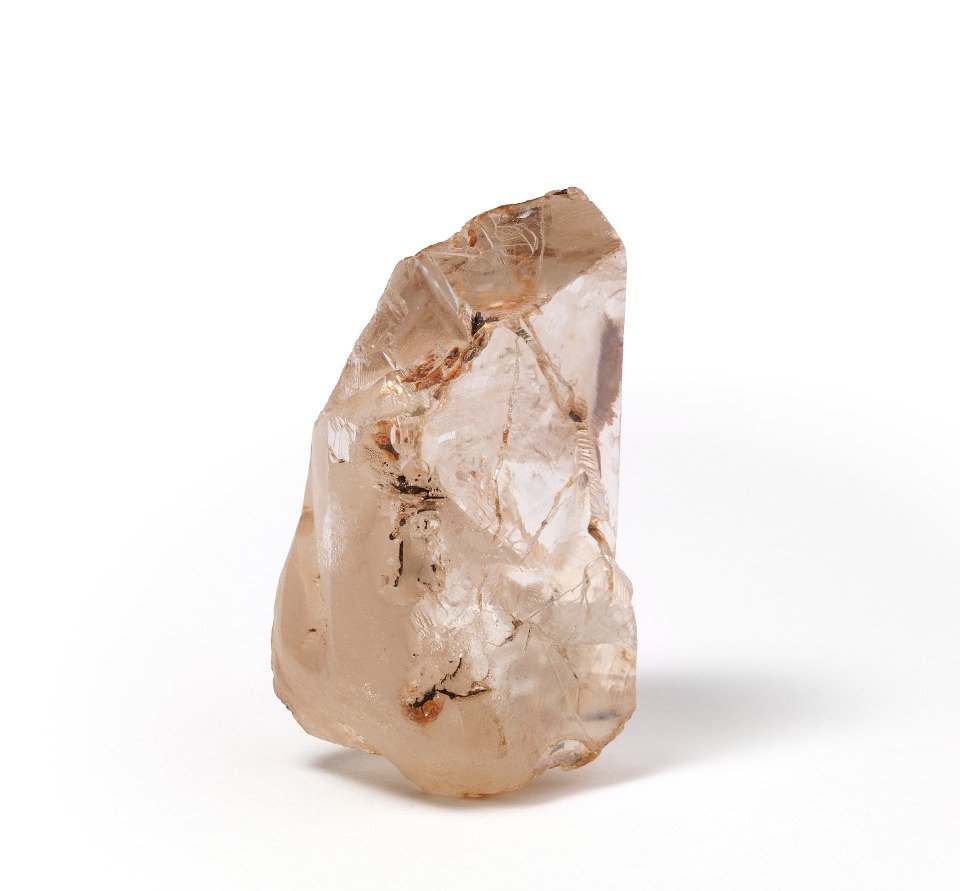 A study in colour and character
01 / THE GEM AT A GLANCE
What is Diamond?
Diamond is crystalline carbon formed under demanding geological conditions, renowned for exceptional hardness and distinctive brilliance. Hardness measures scratch resistance, not immunity to chipping, and diamonds can fracture along cleavage planes when struck.
GEOLOGICAL ORIGINS & SOURCE REGIONS
Where does Diamond come from?
Natural diamond forms under very high pressures within the Earth, typically in the mantle, before some crystals are carried upward by deep-source volcanic rocks such as kimberlite. Lab-grown diamonds are created using different industrial processes.
Botswana, Canada, Russia, South Africa, Angola and Australia are among well-known diamond-producing countries.
Does the country of origin affect value?
A mined-country claim, a cutting centre and laboratory-grown status are distinct facts. For significant stones request a reputable grading report and any available traceability documents.
Important: The countries above are examples of known gemstone-producing regions, not claims about the mining location of any GEMHOOD jewellery item. A stone's geographic origin cannot always be determined from photographs or appearance; ask for specific supporting documentation where provenance matters.
02 / LOOK CLOSER
Colour, appearance and quality
The familiar four Cs—cut, colour, clarity and carat—remain useful, but cut quality has a strong effect on sparkle. Look at the actual stone in varied lighting and consider reliable grading documentation for significant purchases.
Before you choose a stone
Compare images taken in more than one lighting condition, ask for views of the actual item and check how the cut and setting change its appearance. A gemstone type is not a standard grade: each natural specimen has its own colour, inclusions and workmanship.
THE GEMHOOD BUYER'S FIELD NOTES
How to choose Diamond: three checks
- 01
Evaluate cut and face-up performance before treating carat weight as the only quality measure.
- 02
For substantial colourless stones, compare independently graded cut, colour, clarity and carat information when available.
- 03
Ask about natural versus laboratory-grown origin and any clarity or colour treatments; review the report number and report scope.
A grading report and a jewellery appraisal serve different purposes; neither substitutes for checking the actual setting.
Secure prongs and protected edges matter even for very hard diamond, because a hard strike can still chip it.
These notes describe typical gem material and trade practices. They do not independently grade or identify a specific item offered for sale.
03 / BUY WITH CONFIDENCE
Natural, laboratory-grown, treated or imitation?
Natural, laboratory-grown and imitation diamonds are different product categories. Ask for unambiguous disclosure and a suitable independent grading report. Treatments and simulants should not be confused with naturally occurring characteristics.
These distinctions should be clear in the listing for any particular gem. Treatments are not automatically unacceptable, but an undisclosed treatment, vague mineral identity or unsupported origin claim prevents an informed purchase. Where material identity materially affects value, an independent gemological identification report may be worth considering.
04 / WEAR IT WELL
Diamond in jewellery
Compare cut performance before chasing a particular carat threshold. Select a setting that protects the stone and request a clear explanation of the report and pricing.
05 / MAKE IT LAST
How to care for Diamond
At Mohs 10 diamond strongly resists scratches, yet exposed points and edges can chip. Check prongs regularly; clean with warm soapy water and a soft brush suited to the setting.
One essential care distinction
Mohs hardness describes resistance to scratching, not resistance to breaking. Gemstones with cleavage, existing fractures, porous surfaces or fillings can need extra care regardless of their hardness number. If you do not know whether a piece has been treated, begin with the gentlest appropriate cleaning method.
06 / CULTURE & MEANING
History, heritage and symbolism
Diamond is the traditional April birthstone and a familiar symbol of commitment, although customs have changed over time. The mineral's geological origin is separate from romantic symbolism.
Traditional meanings and spiritual associations are part of cultural storytelling. They are not evidence that a gemstone diagnoses, prevents or treats any medical condition.
GOOD QUESTIONS, CLEAR ANSWERS
Diamond FAQs
What should I examine when buying diamond?
The familiar four Cs—cut, colour, clarity and carat—remain useful, but cut quality has a strong effect on sparkle. Look at the actual stone in varied lighting and consider reliable grading documentation for significant purchases.
Can diamond be used in everyday jewellery?
At Mohs 10 diamond strongly resists scratches, yet exposed points and edges can chip. Check prongs regularly; clean with warm soapy water and a soft brush suited to the setting.
How do I check that diamond is described accurately?
Natural, laboratory-grown and imitation diamonds are different product categories. Ask for unambiguous disclosure and a suitable independent grading report. Treatments and simulants should not be confused with naturally occurring characteristics.
A NOTE FROM THE GEMHOOD EDITORIAL DESK
How to use this guide
We explain gemstone properties, known mining regions and customary treatments to help you shop more confidently. Each gemstone can vary in quality and individual provenance, so compare the actual jewellery listing and request supporting documentation if origin, treatment or natural-versus-laboratory-grown status affects your choice.
Our gemstone library is educational and does not act as a laboratory identification certificate. Independent gemological assessment is advisable for valuable or disputed claims.
No matching jewellery is currently in stock. Explore the guide or browse our full collection.
Browse jewellery →UNDERSTAND THE DIFFERENCE
Compare Diamond with similar gemstones
These stones can overlap in colour, appearance or jewellery use. The mineral identity, treatments and durability may be very different.
KEEP EXPLORING
Other gemstones to discover
Educational articles describe gemstone types and common trade practices. They are not individual gemological certificates, current price appraisals or medical advice.