
THE GEMHOOD EDITORIAL LIBRARY
Epidote gemstone guide
Epidote is recognised for yellow-green to dark-green colours and is often seen as crystals or included ornamental stones. A good-looking specimen does not imply high jewellery durability; inclusions and cleavage should influence setting choice.
Gem facts · Quality considerations · Care & meaning
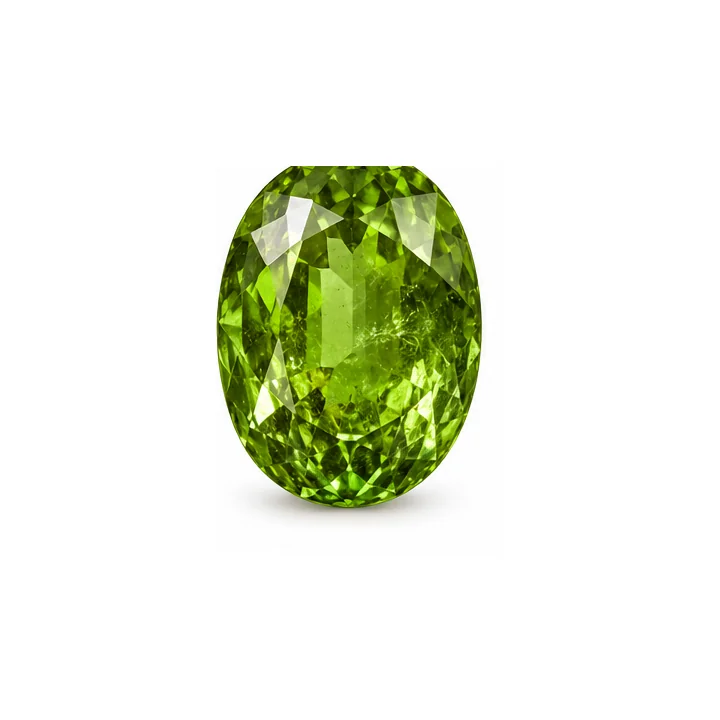 A study in colour and character
Every shade has a story.
Typical appearances for Epidote. Natural stones vary, and lighting or treatment can change their appearance.
Where Epidote is found
Pakistan; Austria
 Pakistan
 Austria
These are representative geological or commercial sources, not certified provenance for an individual stone. Country of origin should be substantiated independently when relevant to value.
What is Epidote?
Epidote is recognised for yellow-green to dark-green colours and is often seen as crystals or included ornamental stones. Typical material appears in pistachio green to dark green-brown shades, and is commonly described as calcium-aluminium-iron sorosilicate. The Mohs hardness for this material is approximately 6–7; hardness refers to resistance to scratching, not to breaking, cleavage or sensitivity to chemicals. A good-looking specimen does not imply high jewellery durability; inclusions and cleavage should influence setting choice. Typical geological or commercial source regions include Pakistan; Austria; this does not establish the provenance of an individual gem. Store separately and avoid sharp impact, harsh chemicals and ultrasonic cleaning of included pieces. Ask for confirmation of identity, natural or lab-created status, and any treatments when choosing an individual stone.
History and cultural context
Epidote is included in this educational directory for its distinctive material, appearance and cultural or collector interest. Epidote is recognised for yellow-green to dark-green colours and is often seen as crystals or included ornamental stones. Gem varieties and trade names can overlap: the precise identity of a particular specimen should be independently confirmed when relevant.
Colour and appearance
Pistachio green to dark green-brown
Jewellery suitability
A good-looking specimen does not imply high jewellery durability; inclusions and cleavage should influence setting choice.
Caring for Epidote
Store separately and avoid sharp impact, harsh chemicals and ultrasonic cleaning of included pieces.
Cleaning guidance
Store separately and avoid sharp impact, harsh chemicals and ultrasonic cleaning of included pieces.
No matching jewellery is currently in stock. Explore the guide or browse our full collection.
Browse jewellery →KEEP EXPLORING
Other gemstones to discover
Educational articles describe gemstone types and common trade practices. They are not individual gemological certificates, current price appraisals or medical advice.