
THE GEMHOOD EDITORIAL LIBRARY
Apatite gemstone guide
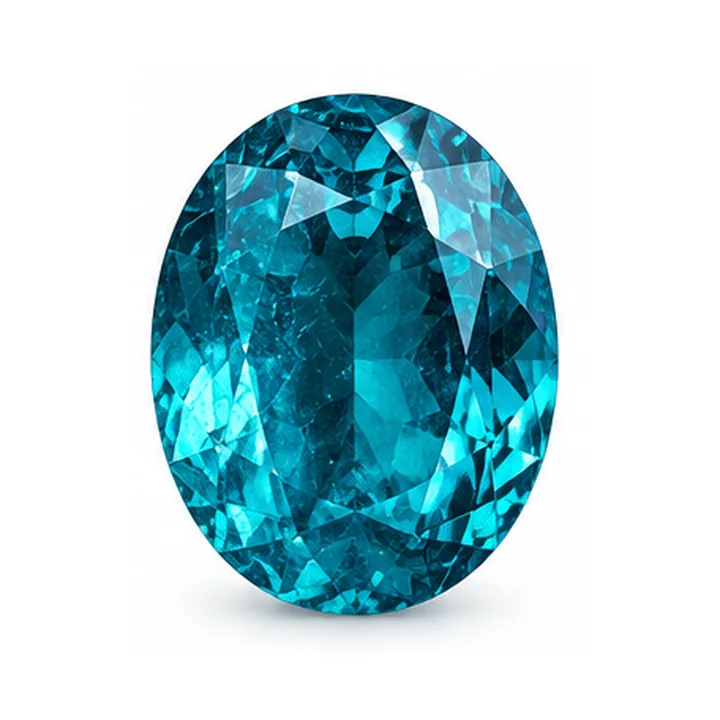
Gem apatite often shows vivid lagoon-blue or green colours, but its relatively low hardness makes it vulnerable to wear. Its colour can resemble harder gems, so confirm mineral identity and be cautious of unsupported durability claims.
Gem facts · Quality considerations · Care & meaning
 A study in colour and character
Every shade has a story.
Typical appearances for Apatite. Natural stones vary, and lighting or treatment can change their appearance.
Where Apatite is found
Madagascar; Brazil
 Madagascar
 Brazil
These are representative geological or commercial sources, not certified provenance for an individual stone. Country of origin should be substantiated independently when relevant to value.
01 / THE GEM AT A GLANCE
What is Apatite?
Apatite is a phosphate mineral group; gem examples are often fluorapatite. Transparent crystals may be blue, teal, green, yellow or violet. Gem apatite's striking colours can imitate better-known jewellery stones, but its Mohs hardness of about 5 makes it much easier to scratch during ordinary wear.
Gem apatite often shows vivid lagoon-blue or green colours, but its relatively low hardness makes it vulnerable to wear. Typical material appears in blue, green, yellow or violet shades, and is commonly described as phosphate mineral. The Mohs hardness for this material is approximately 5; hardness refers to resistance to scratching, not to breaking, cleavage or sensitivity to chemicals. Its colour can resemble harder gems, so confirm mineral identity and be cautious of unsupported durability claims. Typical geological or commercial source regions include Madagascar; Brazil; this does not establish the provenance of an individual gem. Choose protective pendants or earrings and keep away from abrasives, knocks and ultrasonic equipment. Ask for confirmation of identity, natural or lab-created status, and any treatments when choosing an individual stone.
02 / LOOK CLOSER
Colour, appearance and quality
Assess colour and transparency under several lighting conditions. Bright blue or sea-green tones attract buyers, yet the stone's brittleness and inclusions should be weighed alongside visual appeal. An exceptionally bright product photograph is not a treatment or origin disclosure.
Before you choose a stone
Compare images taken in more than one lighting condition, ask for views of the actual item and check how the cut and setting change its appearance. A gemstone type is not a standard grade: each natural specimen has its own colour, inclusions and workmanship.
THE GEMHOOD BUYER'S FIELD NOTES
How to choose Apatite: three checks
- 01
Verify the exact mineral identity and whether any treatment or repair is disclosed. Apatite may resemble tourmaline, aquamarine or other blue-green gems.
- 02
Compare actual-item photographs and note hardness 5, chips, inclusions and whether the surface is damaged.
- 03
Choose use appropriate to the stone's durability: Earrings, pendants and collector display are generally gentler uses than everyday rings. Avoid settings where the apatite touches hard stones or receives repeated impacts.
Apatite may resemble tourmaline, aquamarine or other blue-green gems. Ask for the exact mineral identification and whether colour enhancement or any stabilization is disclosed. A mineral name on a product page cannot substitute for gem testing.
Earrings, pendants and collector display are generally gentler uses than everyday rings. Avoid settings where the apatite touches hard stones or receives repeated impacts.
These notes describe typical gem material and trade practices. They do not independently grade or identify a specific item offered for sale.
03 / BUY WITH CONFIDENCE
Natural, laboratory-grown, treated or imitation?
Apatite may resemble tourmaline, aquamarine or other blue-green gems. Ask for the exact mineral identification and whether colour enhancement or any stabilization is disclosed. A mineral name on a product page cannot substitute for gem testing.
These distinctions should be clear in the listing for any particular gem. Treatments are not automatically unacceptable, but an undisclosed treatment, vague mineral identity or unsupported origin claim prevents an informed purchase. Where material identity materially affects value, an independent gemological identification report may be worth considering.
A CLOSER LOOK
Why attractive blue is not the whole story
Many apatites look saturated and transparent in good light. Yet a gem's suitability is also influenced by scratch resistance, cleavage, and what the finished jewellery will encounter.
The correct comparison is not simply which blue stone looks brighter but what combination of appearance, durability and disclosed identity fits the intended use.
A CLOSER LOOK
Practical buying checklist
Ask for close-up images that show surface wear, healed fractures and facet junctions. Request treatment disclosures and an item-specific return policy.
Representative occurrences such as Madagascar and Brazil do not certify an individual specimen's mine of origin.
04 / WEAR IT WELL
Apatite in jewellery
Earrings, pendants and collector display are generally gentler uses than everyday rings. Avoid settings where the apatite touches hard stones or receives repeated impacts.
05 / MAKE IT LAST
How to care for Apatite
Use only a soft cloth or gentle lukewarm water cleaning when the setting allows it. Keep separate from harder gems and avoid steam, ultrasound, household chemicals and abrasion.
One essential care distinction
Mohs hardness describes resistance to scratching, not resistance to breaking. Gemstones with cleavage, existing fractures, porous surfaces or fillings can need extra care regardless of their hardness number. If you do not know whether a piece has been treated, begin with the gentlest appropriate cleaning method.
06 / CULTURE & MEANING
History, heritage and symbolism
Apatite's name is associated with the Greek idea of deception, reflecting its tendency to be mistaken for other minerals. That etymology is a useful reminder to confirm identity rather than rely on colour alone.
Apatite is included in this educational directory for its distinctive material, appearance and cultural or collector interest. Gem apatite often shows vivid lagoon-blue or green colours, but its relatively low hardness makes it vulnerable to wear. Gem varieties and trade names can overlap: the precise identity of a particular specimen should be independently confirmed when relevant.
Traditional meanings and spiritual associations are part of cultural storytelling. They are not evidence that a gemstone diagnoses, prevents or treats any medical condition.
GOOD QUESTIONS, CLEAR ANSWERS
Apatite FAQs
What is Apatite?
Apatite is a phosphate mineral group; gem examples are often fluorapatite. Transparent crystals may be blue, teal, green, yellow or violet. Gem apatite's striking colours can imitate better-known jewellery stones, but its Mohs hardness of about 5 makes it much easier to scratch during ordinary wear.
How hard is Apatite?
The usual quoted Mohs scratch hardness is 5. Hardness alone does not describe toughness, fracture risk or stability.
Where is Apatite found?
Representative reported regions include Madagascar; Brazil. These are general occurrences, not proven origins of a specific item.
How should I care for Apatite?
Use only a soft cloth or gentle lukewarm water cleaning when the setting allows it. Keep separate from harder gems and avoid steam, ultrasound, household chemicals and abrasion.
A NOTE FROM THE GEMHOOD EDITORIAL DESK
How to use this guide
We explain gemstone properties, known mining regions and customary treatments to help you shop more confidently. Each gemstone can vary in quality and individual provenance, so compare the actual jewellery listing and request supporting documentation if origin, treatment or natural-versus-laboratory-grown status affects your choice.
Our gemstone library is educational and does not act as a laboratory identification certificate. Independent gemological assessment is advisable for valuable or disputed claims.
EDITORIAL REFERENCES
Research and further reading
References describe mineral species and representative occurrences, not verification of any individual item for sale.
No matching jewellery is currently in stock. Explore the guide or browse our full collection.
Browse jewellery →UNDERSTAND THE DIFFERENCE
Compare Apatite with similar gemstones
These stones can overlap in colour, appearance or jewellery use. The mineral identity, treatments and durability may be very different.
KEEP EXPLORING
Other gemstones to discover
Educational articles describe gemstone types and common trade practices. They are not individual gemological certificates, current price appraisals or medical advice.