

Skip to content
GEMSTONE JEWELLERY & MEANINGFUL GIFTSDiscover your gemstone

THE GEMHOOD GEMSTONE LIBRARY

Gemstone Encyclopedia

An A–Z field guide to the world's most intriguing gemstones—how they form, where they are found, what makes them beautiful and how to care for jewellery made with them.

322 gemstone profilesOrigins & geologyBuying & care advice
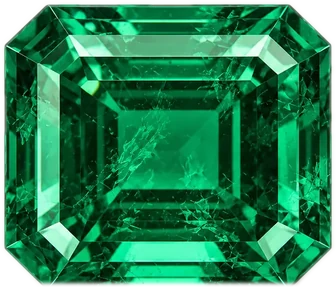
NATURE'S COLOURS Emerald Deep green. Timeless wonder.
THE ART OF THE EARTH

DISCOVER WITH CONFIDENCE

A beautiful stone. A better understanding.

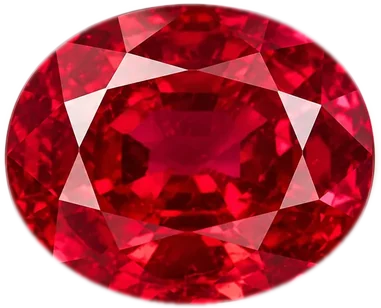
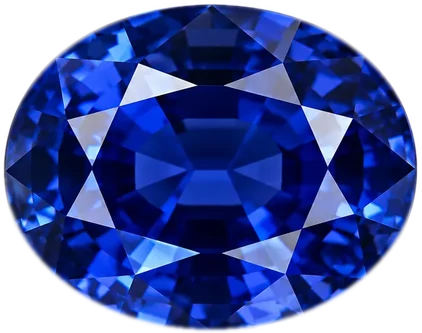
Gemstone names can hide important differences. Sapphire and ruby belong to the same mineral family, while jade can mean two distinct minerals. Some stones are mined from a handful of localities; others occur across continents. Understanding those distinctions makes it easier to compare quality, treatments and value.

Our independent GEMHOOD editorial guides separate scientific gem facts from cultural meanings and focus on questions worth asking before you buy.

EDITOR'S SELECTION

Browse the complete A–Z ↗

FIND THE RIGHT STONE

Search by name, colour or meaning.

Try our personalised gemstone finder ↗
Reset

THE COMPLETE LIBRARY

Explore gemstone guides.

Showing 18 of 322 matching guides
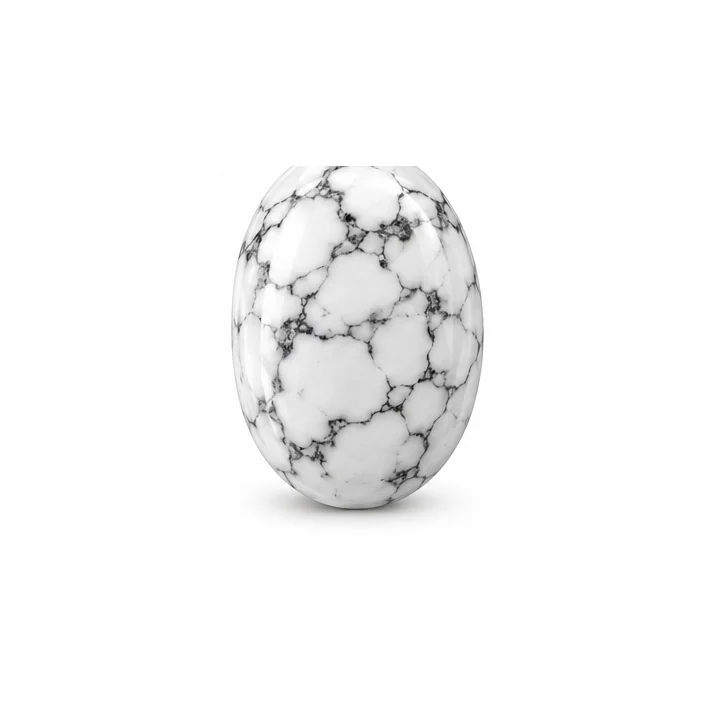
Howlite gemstone specimen
Calcium borosilicate hydroxide mineral

Howlite

Canada United States
Howlite is a pale porous material often carved into beads and cabochons with grey web-like markings. Bright-blue pieces ma...

Origins · Care · Buying advice ↗
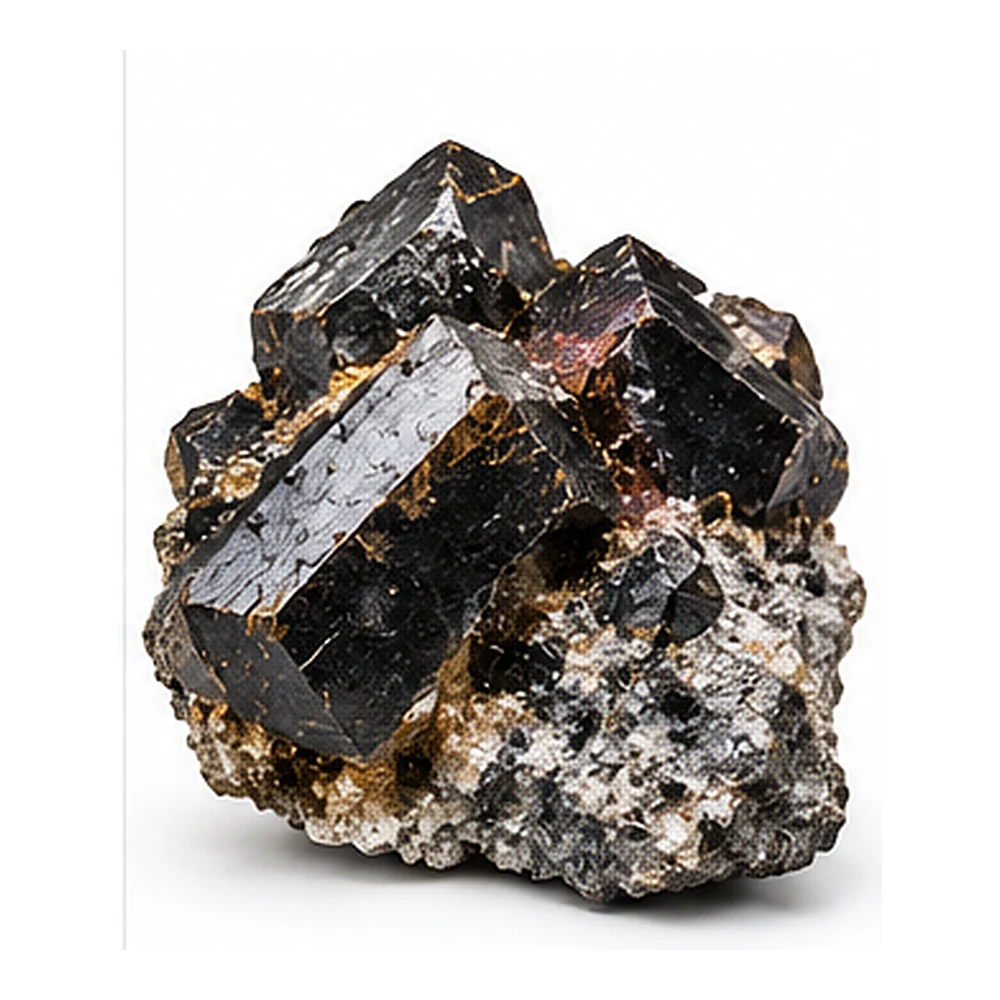
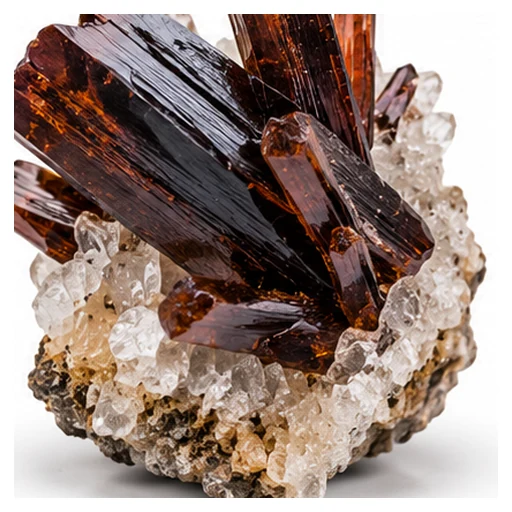
Hübnerite gemstone specimen
Manganese tungstate; wolframite group

Hübnerite

United States Peru

Hübnerite: Elongated brownish prismatic crystals with metallic-to-resinous lustre. A concise guide to properties, responsi...

Origins · Care · Buying advice ↗
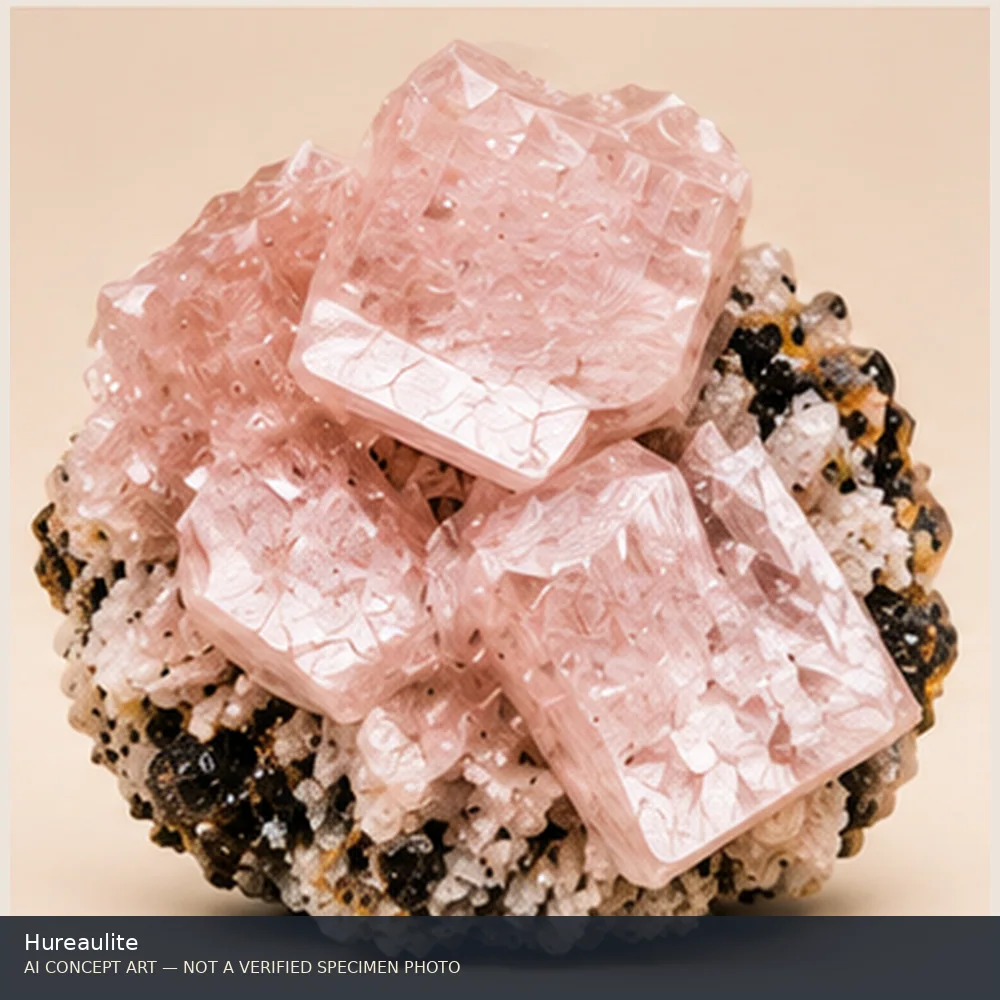
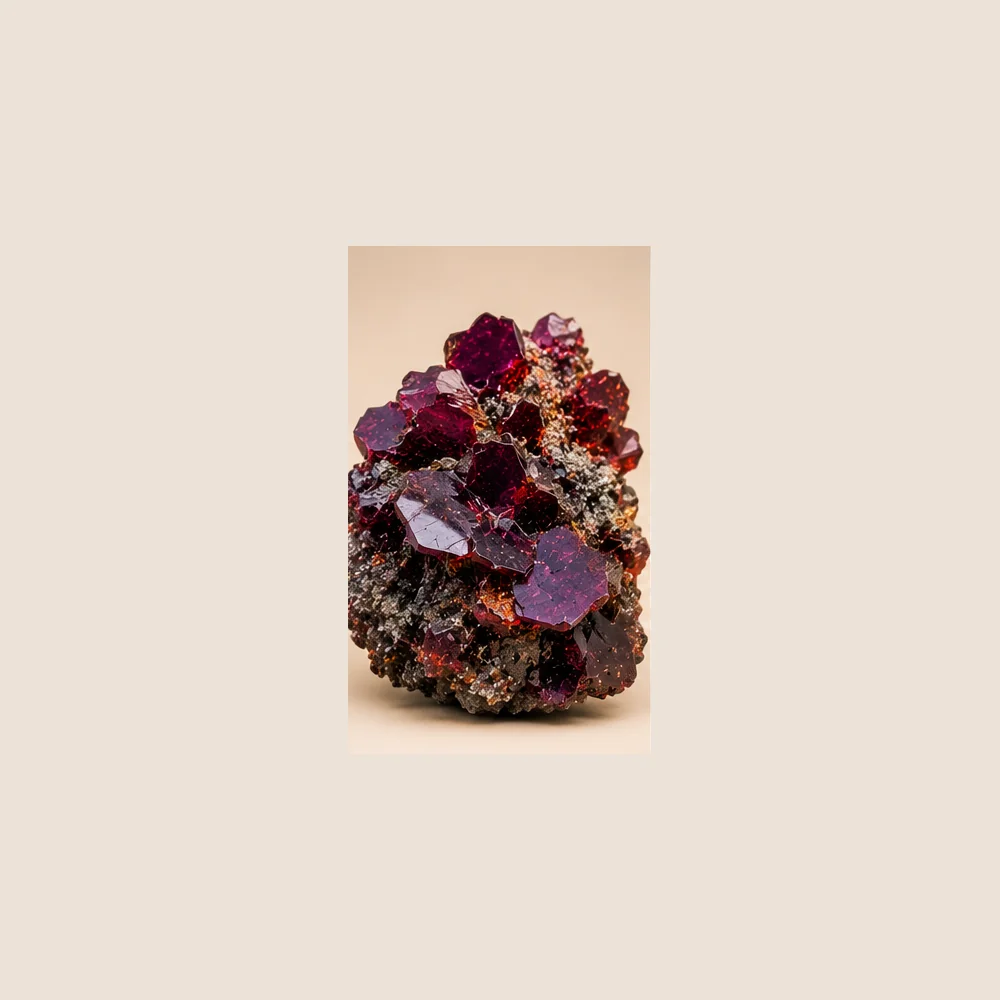
Hureaulite gemstone specimen
hydrated manganese phosphate

Hureaulite

Hureaulite — hydrated manganese phosphate; Mohs 5. Learn its form, mineral chemistry and responsible specimen care.

Origins · Care · Buying advice ↗
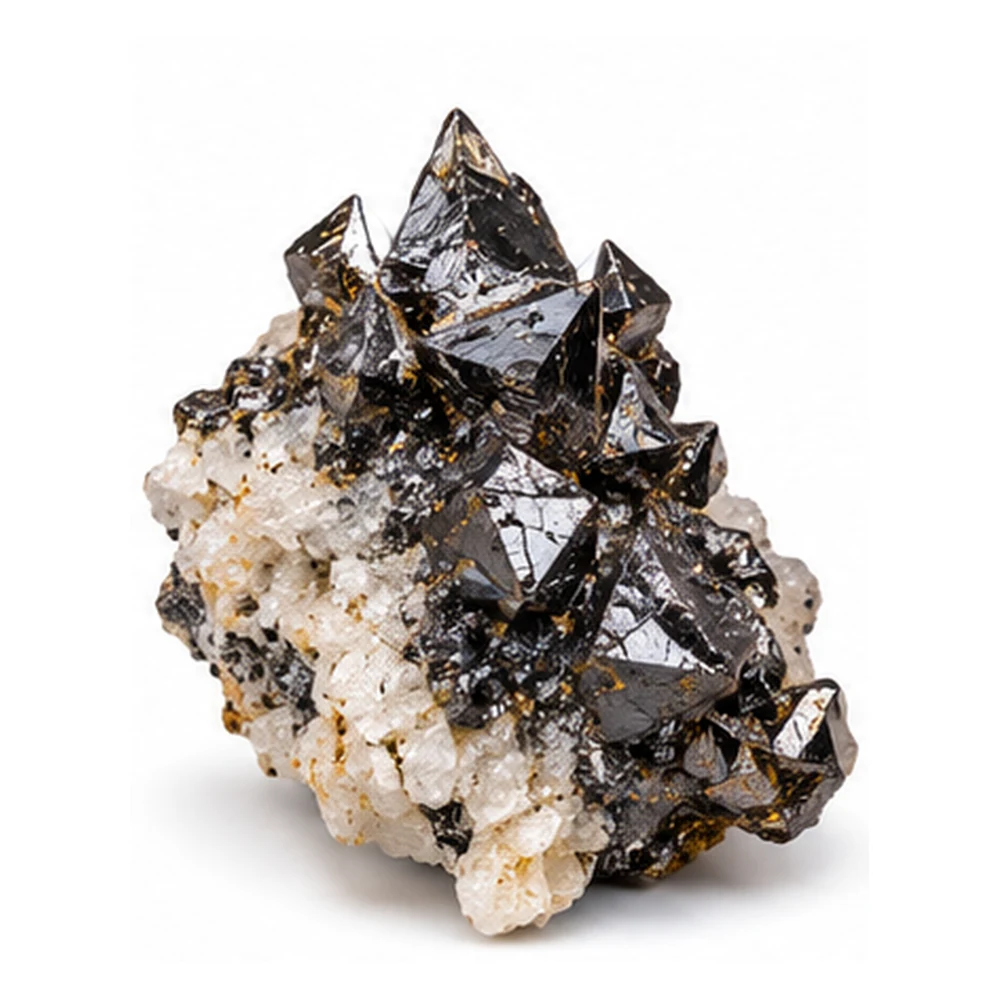
Ilmenite gemstone specimen
iron titanium oxide mineral

Ilmenite

Norway Australia

Ilmenite guide: identity, composition FeTiO₃, hardness 5–6, origins, collecting and care.

Origins · Care · Buying advice ↗
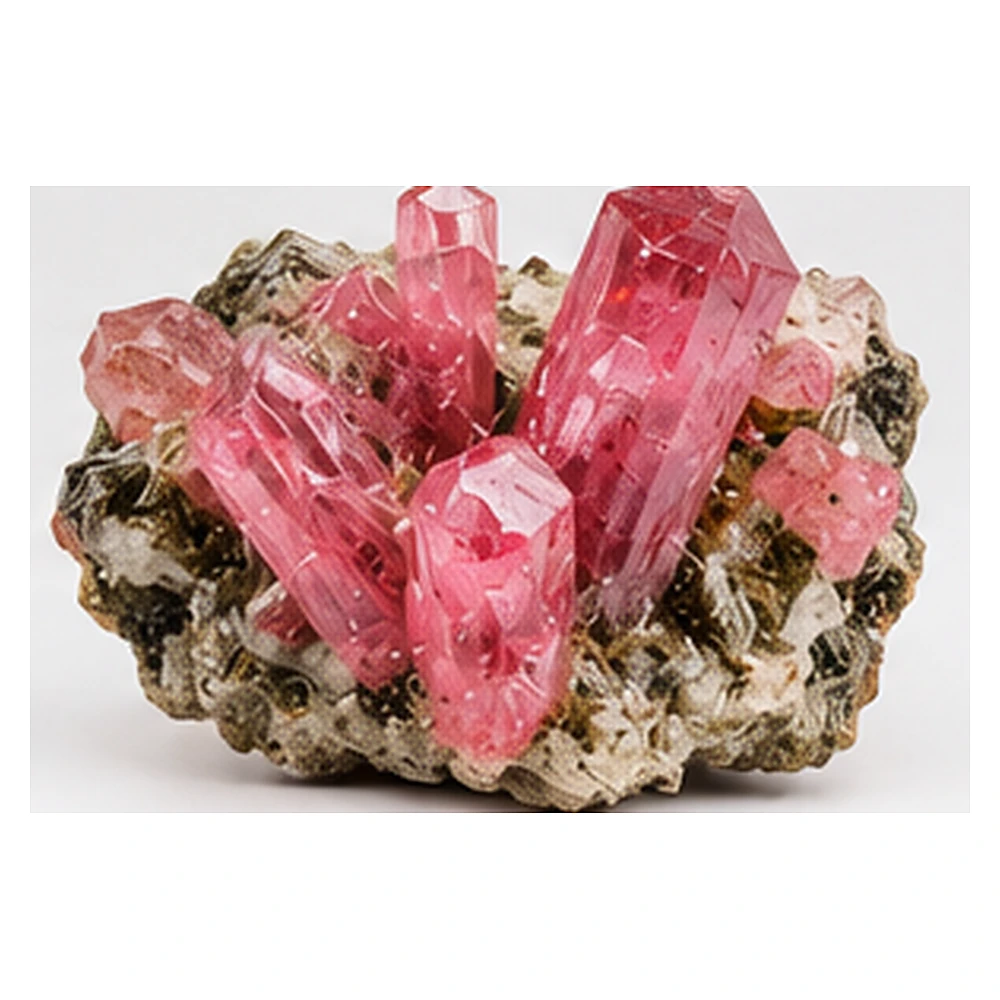
Inesite gemstone specimen
Hydrated calcium manganese chain silicate

Inesite

Germany South Africa

Inesite: Striking pink to orange radiating sprays of fine prismatic crystals. A concise guide to properties, responsible c...

Origins · Care · Buying advice ↗
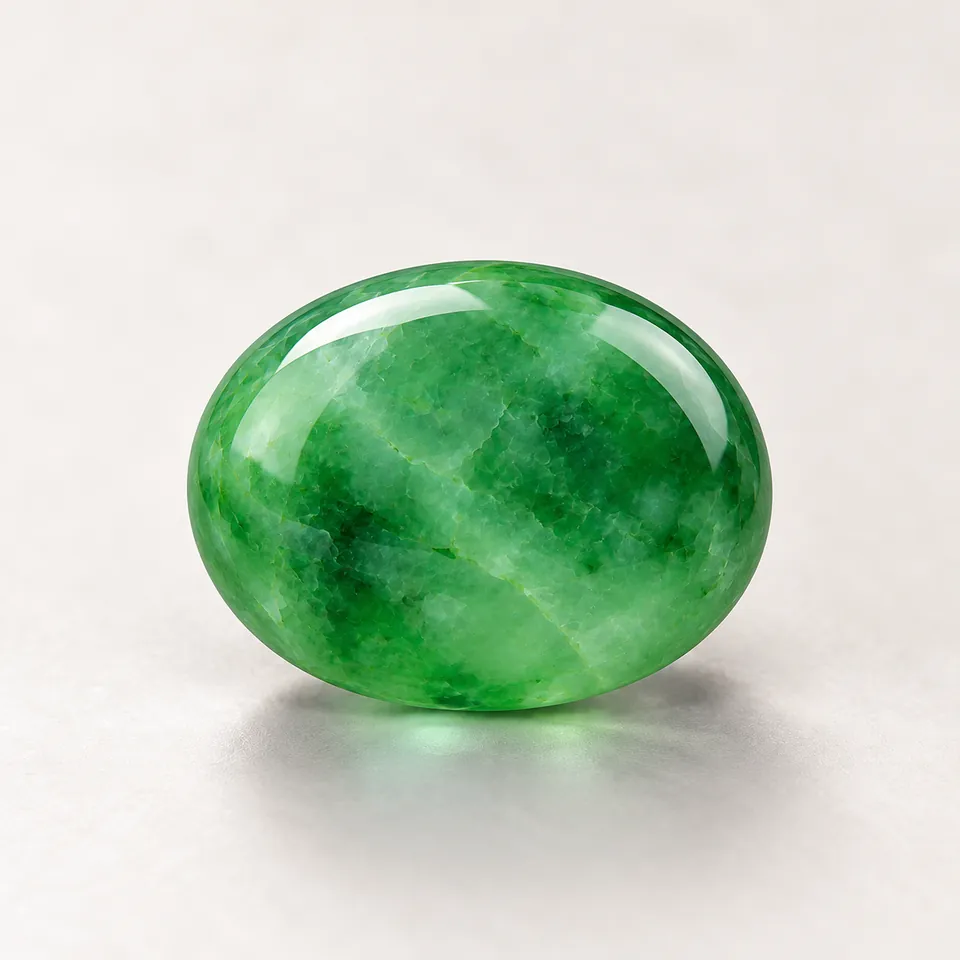
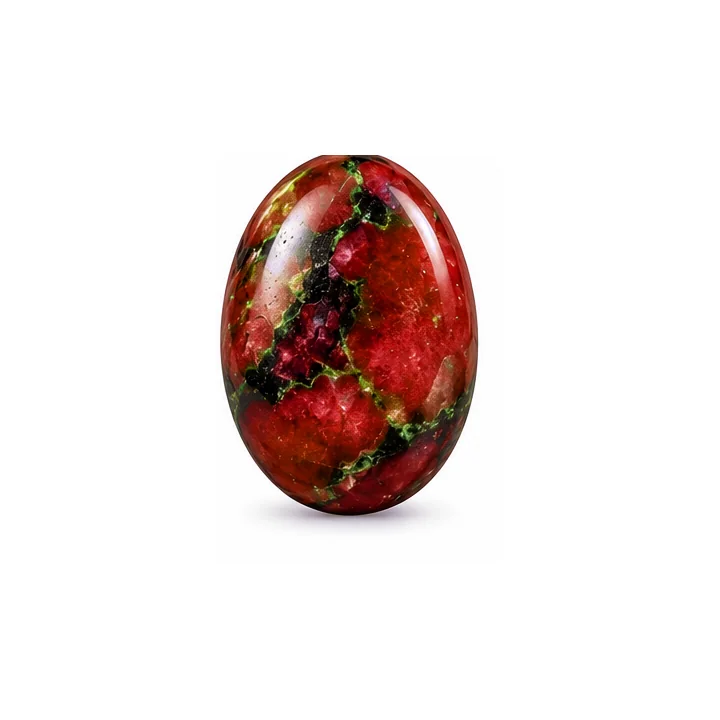
Jade gemstone specimen
Jadeite / Nephrite

Jade

Myanmar Guatemala

A jewellery and carving term referring chiefly to jadeite and nephrite, two distinct mineral materials.

Origins · Care · Buying advice ↗
Jasper gemstone specimen
Opaque microcrystalline quartz

Jasper

Jasper is a broad ornamental trade category for opaque, patterned siliceous material often used in beads and carved jewell...

Origins · Care · Buying advice ↗
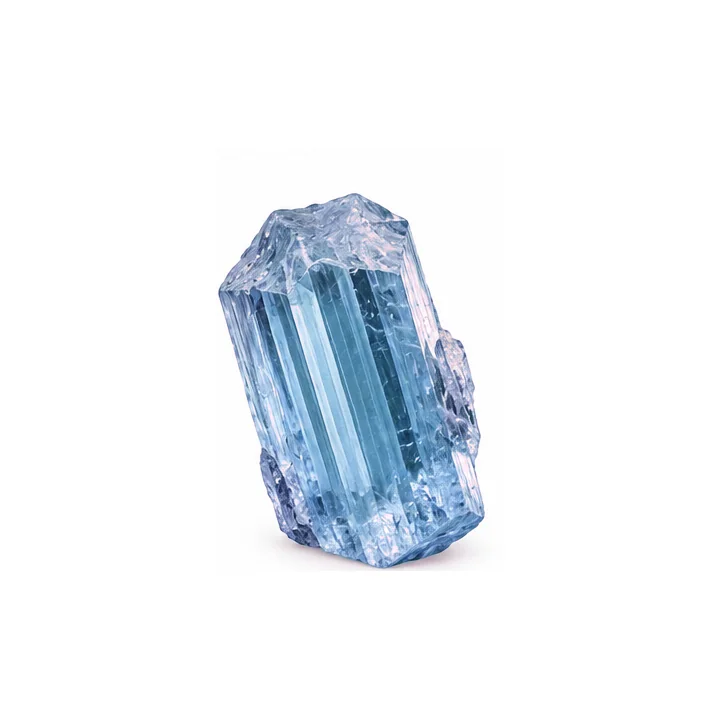
Jeremejevite gemstone specimen
Aluminium borate mineral

Jeremejevite

Namibia Madagascar

Jeremejevite is a rare mineral sometimes found as transparent light-blue crystals suited to specialist faceting. The high-...

Origins · Care · Buying advice ↗
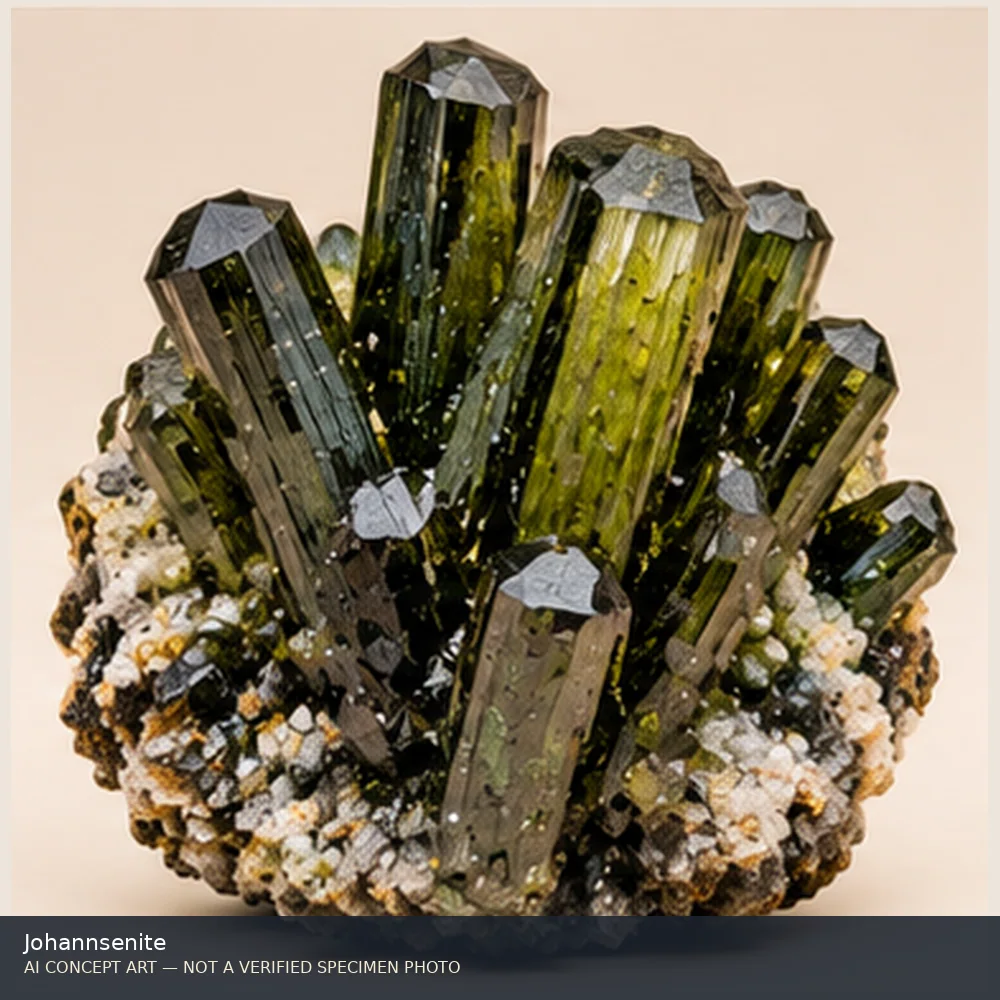
Johannsenite gemstone specimen
manganese clinopyroxene

Johannsenite

Johannsenite — manganese clinopyroxene; Mohs 6. Learn its form, mineral chemistry and responsible specimen care.

Origins · Care · Buying advice ↗
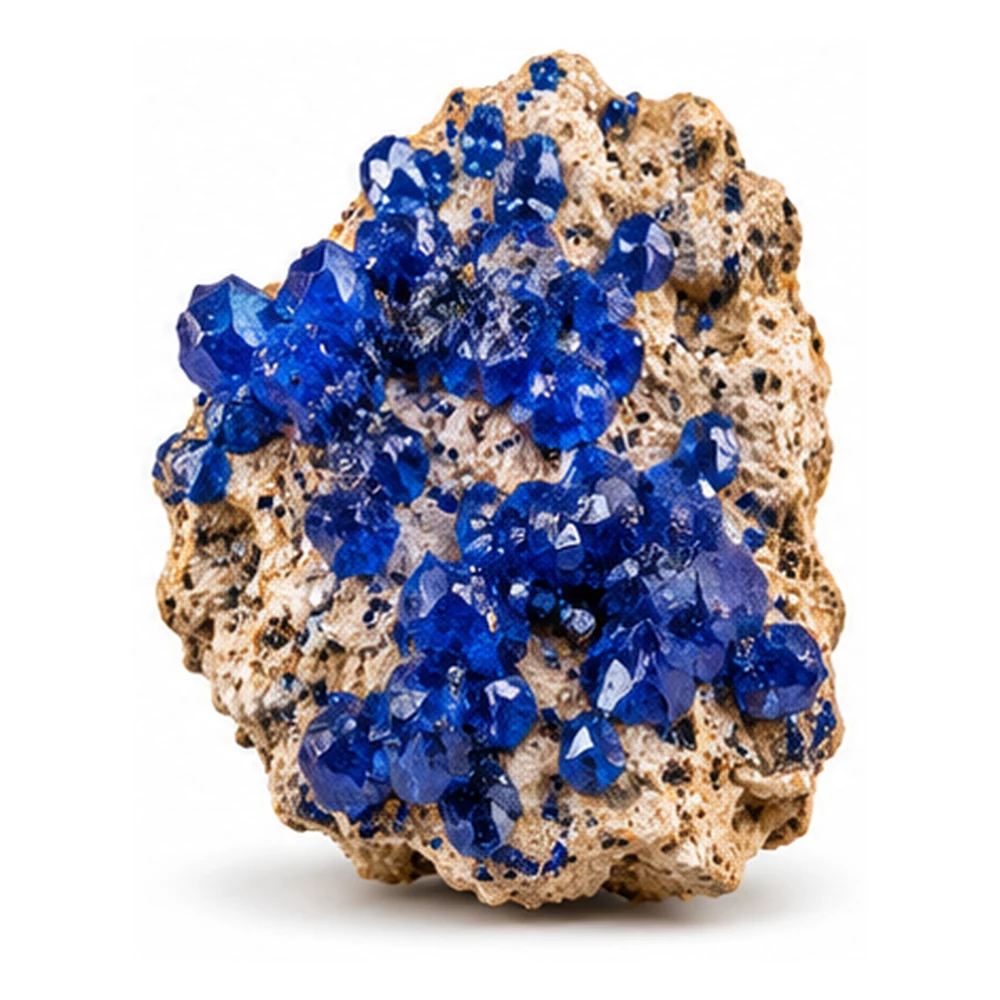
Kinoite gemstone specimen
Hydrated calcium-copper silicate

Kinoite

United States Mexico

Kinoite: hydrated calcium-copper silicate with deep blue to azure blue appearance; Mohs about 2.5. Mineral identification,...

Origins · Care · Buying advice ↗
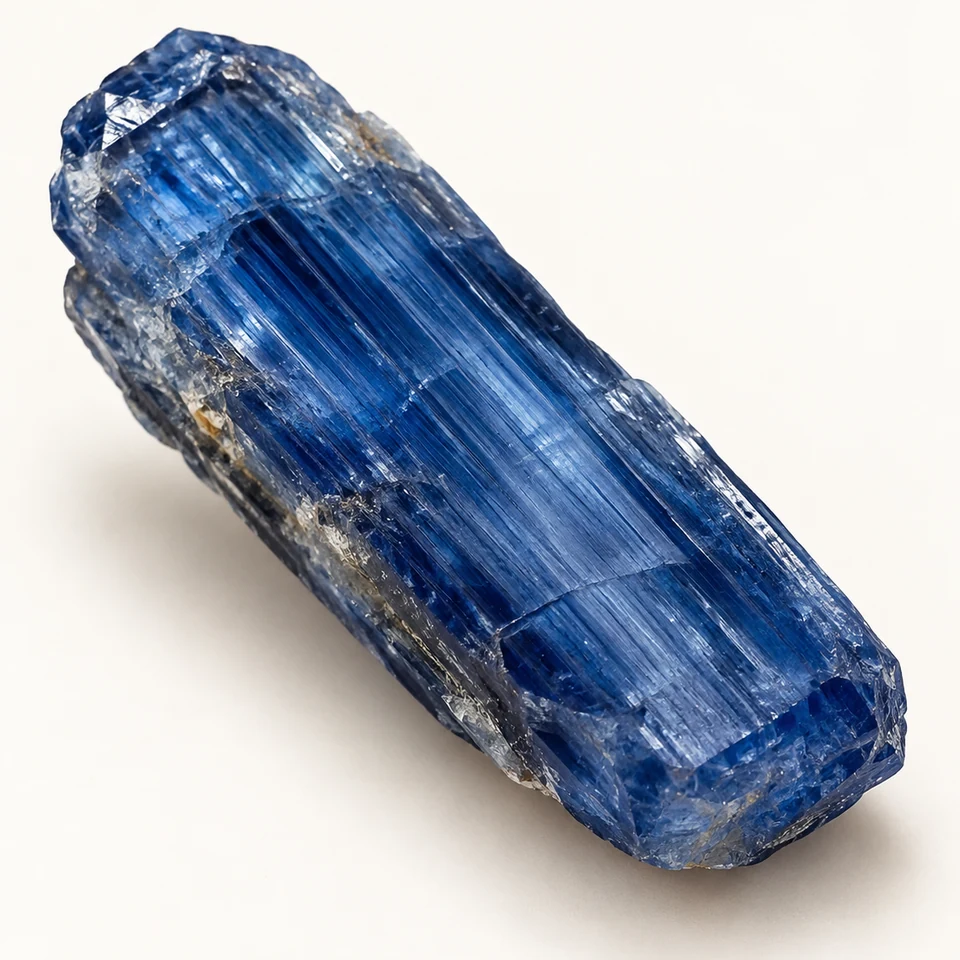
Kyanite gemstone specimen
Aluminium silicate

Kyanite

Nepal Brazil

An aluminium silicate mineral, often blue, whose hardness differs by crystal direction.

Origins · Care · Buying advice ↗
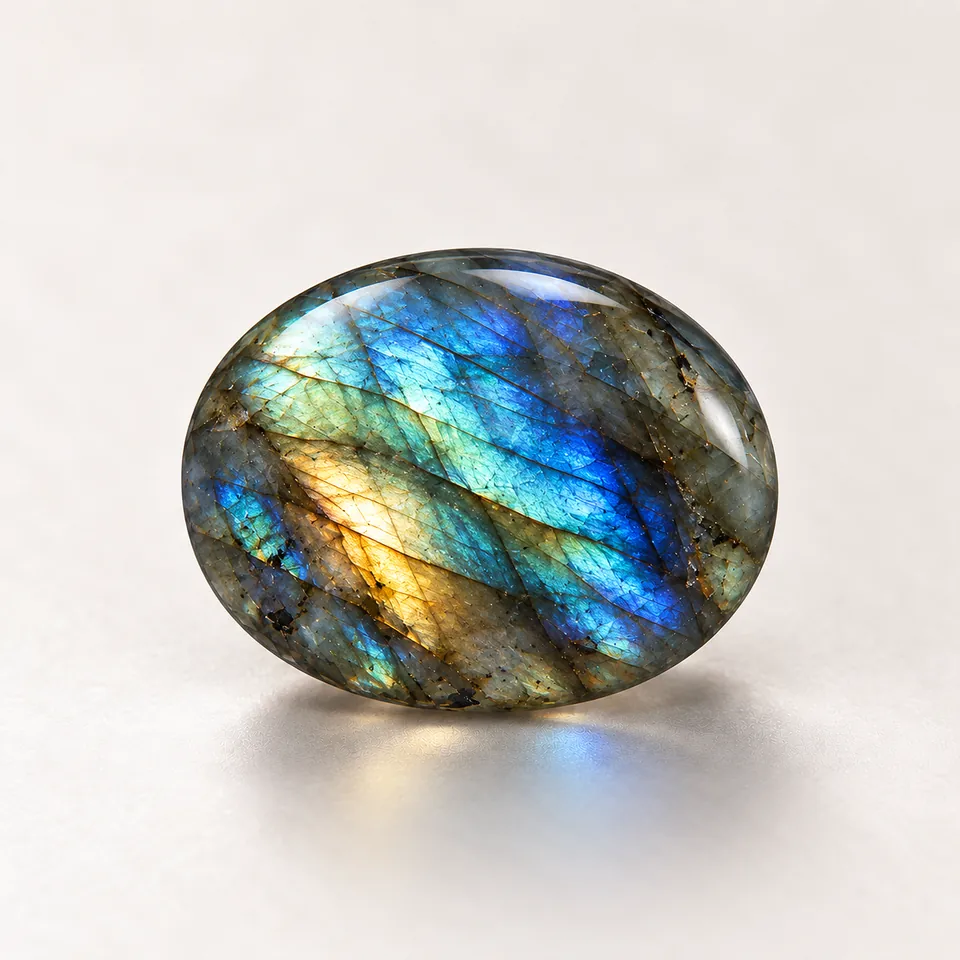
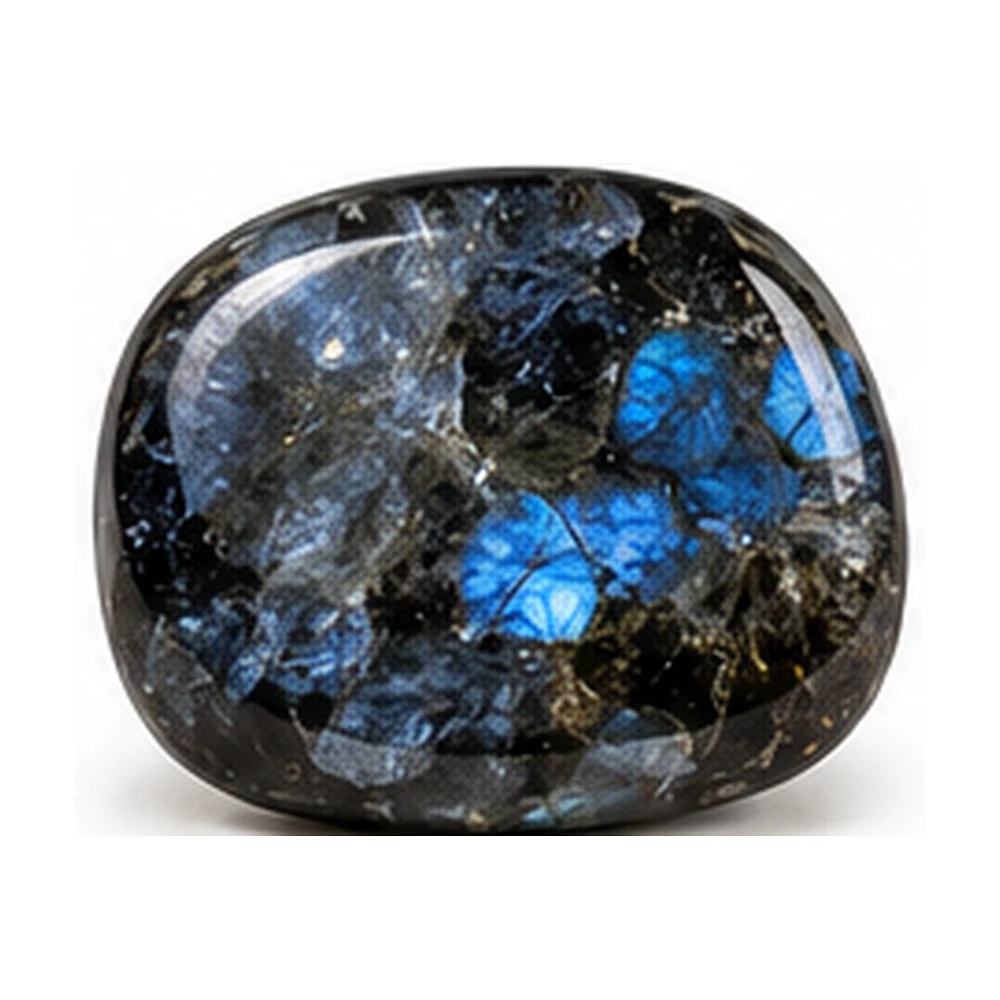
Labradorite gemstone specimen
Feldspar

Labradorite

Canada Madagascar

A feldspar that may display colourful iridescent flashes known as labradorescence.

Origins · Care · Buying advice ↗
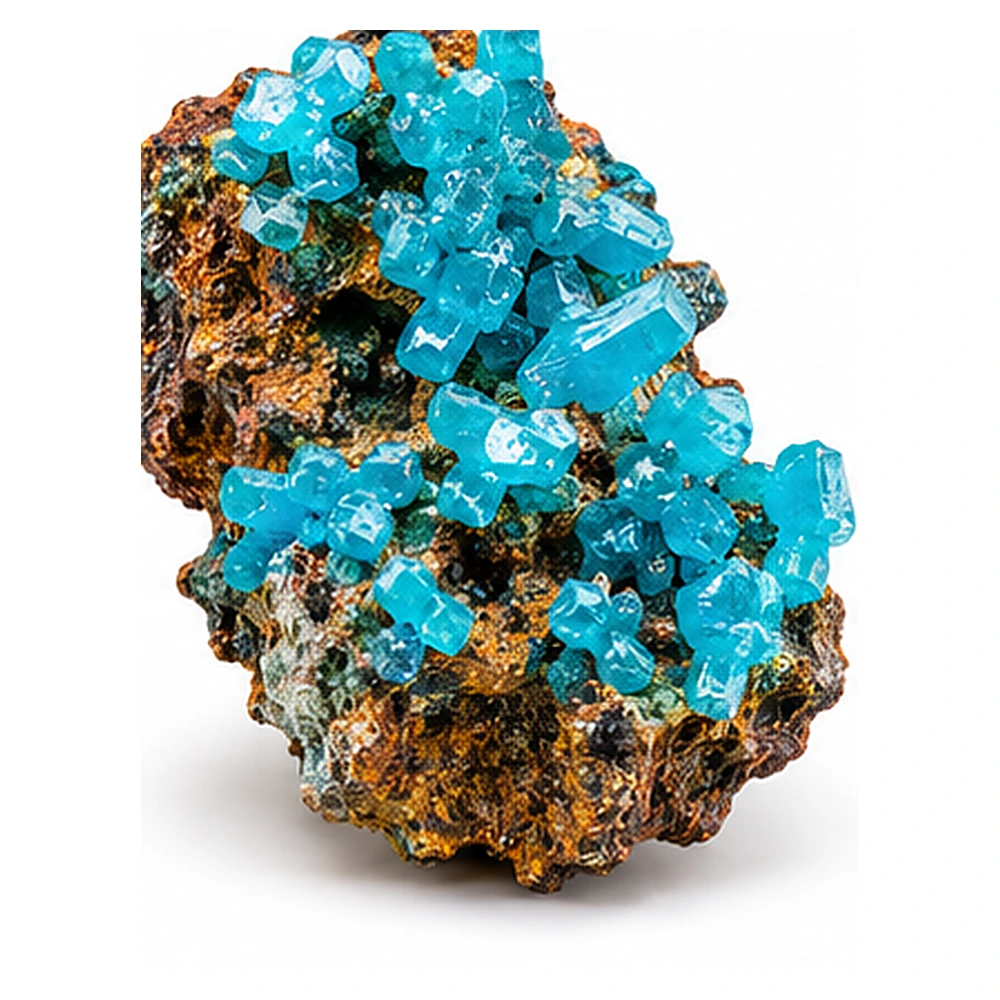
Langite gemstone specimen
Hydrated copper sulphate

Langite

United Kingdom Germany

Langite: hydrated copper sulphate, Mohs 2.5–3. Explore identification, origins, buying, safe handling and care.

Origins · Care · Buying advice ↗
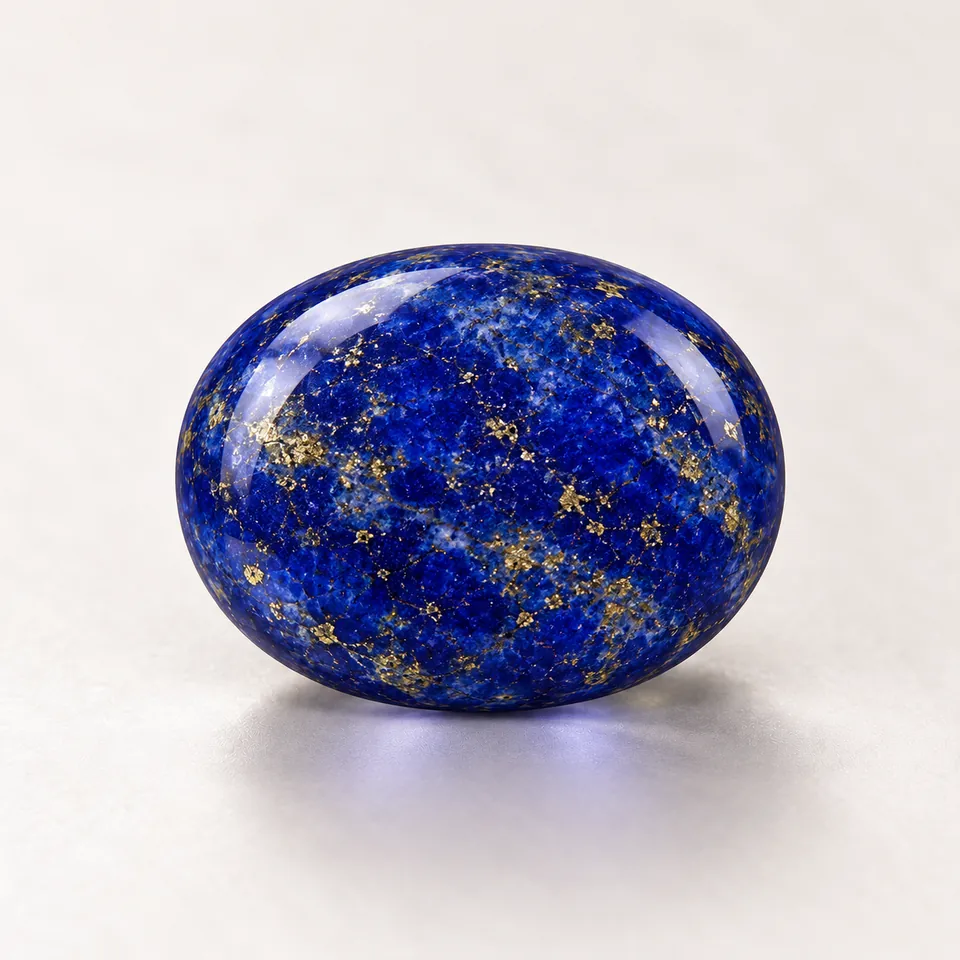
Lapis Lazuli gemstone specimen
Rock dominated by lazurite

Lapis Lazuli

Afghanistan Chile

A blue metamorphic rock traditionally used for decorative stones and jewellery, often with golden pyrite flecks.

Origins · Care · Buying advice ↗
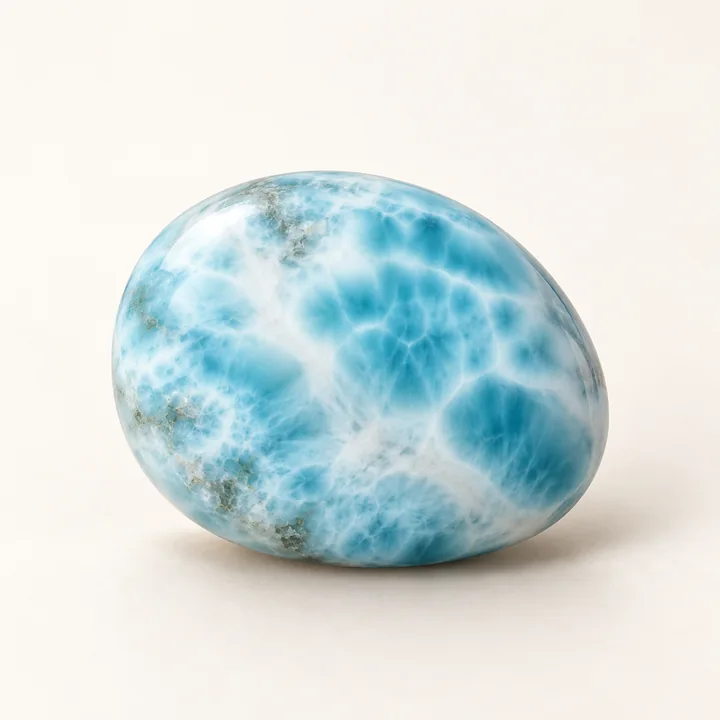
Larimar gemstone specimen
Blue pectolite variety

Larimar

Dominican Republic

Larimar is a blue variety of pectolite with white cloud-like markings associated with volcanic rocks in the Dominican Repu...

Origins · Care · Buying advice ↗
Larvikite gemstone specimen
feldspar-rich intrusive igneous rock (not one mineral species)

Larvikite

Norway

Larvikite: feldspar-rich intrusive igneous rock (not one mineral species); Dark grey to nearly black with blue or silver f...

Origins · Care · Buying advice ↗
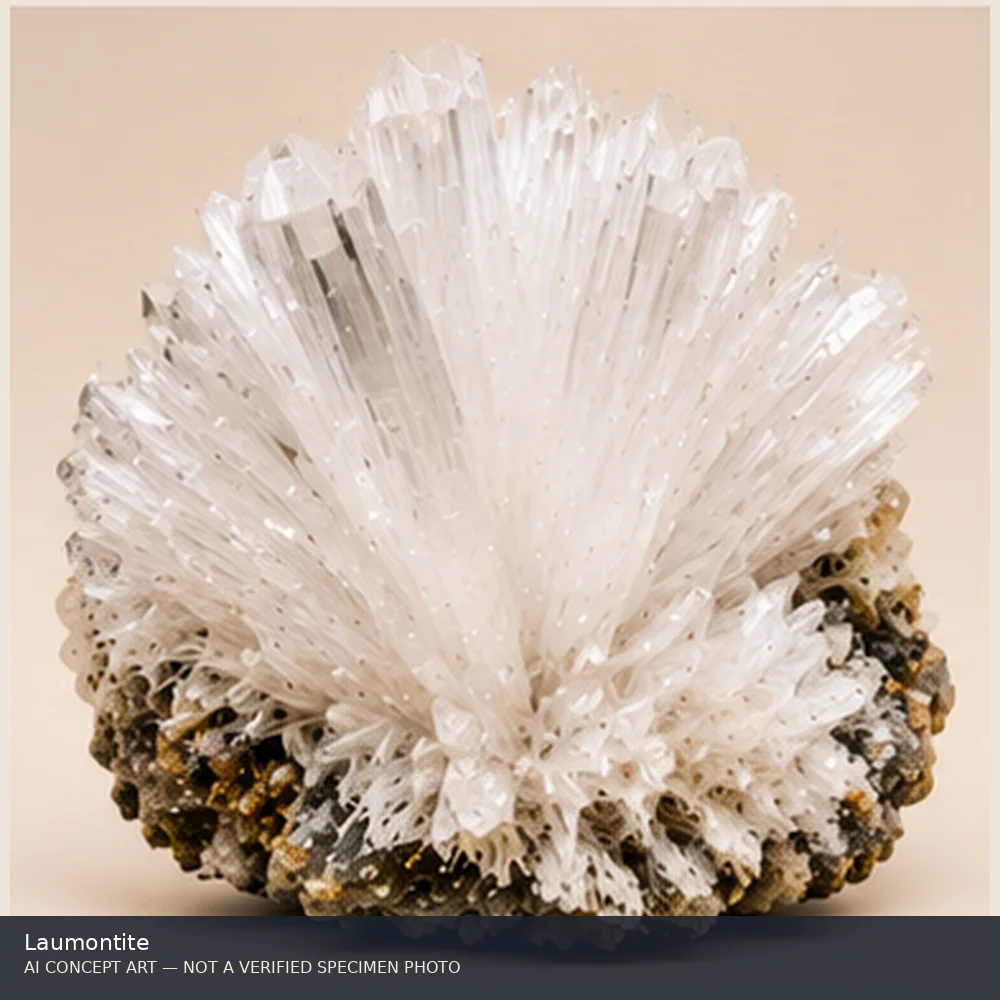
Laumontite gemstone specimen
hydrated calcium zeolite

Laumontite

Laumontite — hydrated calcium zeolite; Mohs 3.5–4. Learn its form, mineral chemistry and responsible specimen care.

Origins · Care · Buying advice ↗
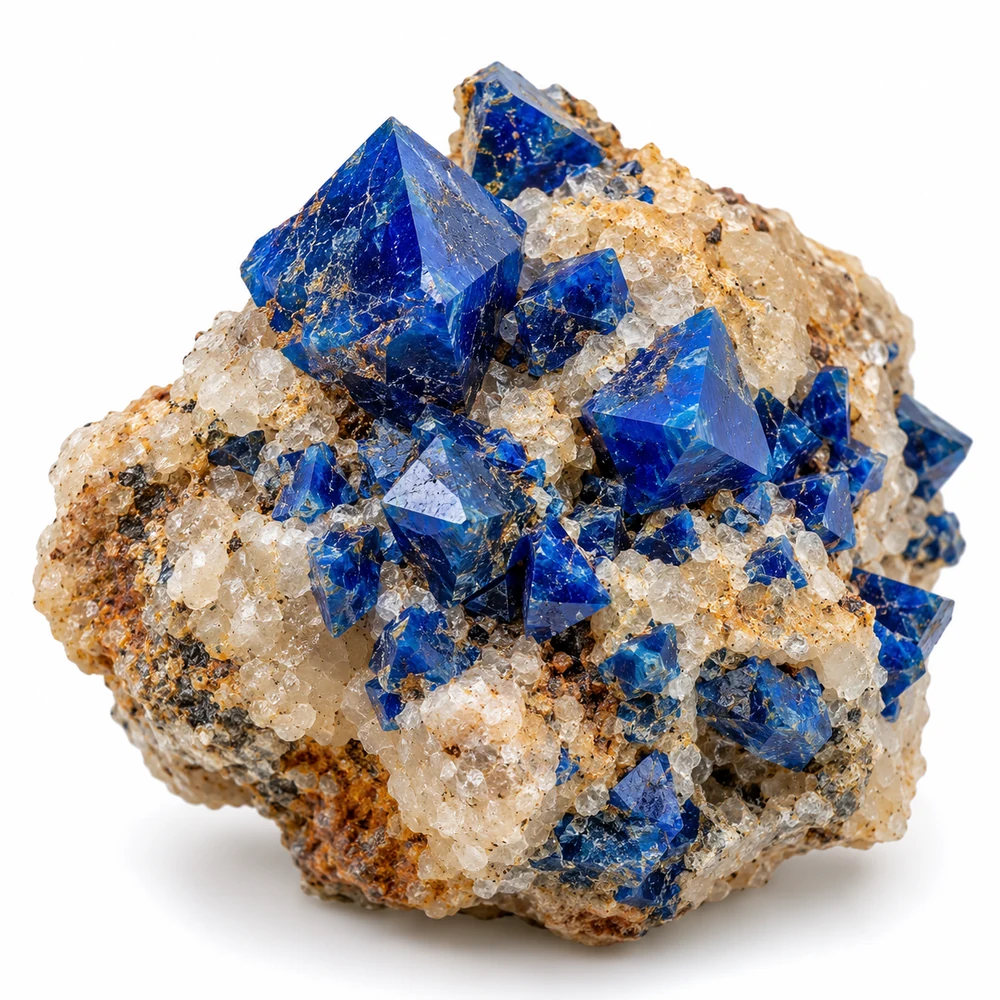
Lazulite gemstone specimen
Magnesium aluminium phosphate, lazulite group

Lazulite

Austria Canada

Lazulite: Deep azure-blue crystals, often sharp or pyramidal, contrasting with pale quartz or other host rock. Discover pr...

Origins · Care · Buying advice ↗

INDEPENDENT OF FILTERS

The A–Z gemstone directory.

Every currently published GEMHOOD gemstone guide is linked below. Use this directory to discover a stone directly, even when it is not shown on the current results page.

COMPARE BEFORE YOU CHOOSE

Two gemstones. Side by side.

See their colours, source regions, mineral families and jewellery considerations, with real encyclopedia images.

Open gemstone comparison

THE GEMHOOD BUYING ACADEMY

Learn to look beyond the sparkle.

A good gemstone purchase begins with knowing what the seller is describing. These six essentials are useful across colourless, coloured, organic and assembled gems.

01 · DURABILITY

Scratch resistance isn't toughness

Mohs hardness measures resistance to being scratched. Toughness concerns breaking or chipping; stability concerns heat, light, moisture and chemicals. A hard stone may still chip at an exposed corner, and a relatively soft material can be enjoyed for years when worn carefully.

02 · TREATMENTS

Natural is not the same as untreated

A natural gem can be heated, dyed, filled or coated. Ask what has been done, whether the result is stable, whether special care is required and how treatment affects comparative value. Cutting and polishing alone are not the same as colour or clarity enhancement.

03 · IDENTIFICATION

Names are not certificates

A trade colour, mine nickname or poetic name does not establish mineral identity. Ask whether the actual stone is natural, laboratory-grown, composite or an imitation. Valuable exceptions merit documentation from an independent qualified laboratory.

04 · PHOTOGRAPHY

View the actual gem in multiple lights

Bright spotlights, warm bulbs, cool daylight and camera editing can radically affect apparent colour. Request face-up and side views, ideally moving video of the exact item. That is especially useful for colour-change and optical-effect gemstones.

05 · PROVENANCE

A famous mining region is a claim

The fact that a gemstone occurs in a country does not prove the origin of a particular specimen. If a listing charges extra for geographic provenance, ask for the evidence supporting that claim and recognise that some localities cannot be determined with certainty.

06 · JEWELLERY DESIGN

The setting is part of the purchase

A protected pendant and an exposed everyday ring face very different wear. Consider mount security, fragile points, repairs, cleaning restrictions and return terms. A beautiful stone is a better purchase when it suits the way the jewellery will actually be worn.

Educational guidance only; gemstone treatment, origin and identification details for an individual product must be verified separately.

GEMSTONE KNOWLEDGE

Three things to know before choosing a gemstone

01 · ORIGINS

Where a stone forms

Geological origin explains how a mineral or organic gem develops. Known mining regions do not certify where any individual piece of jewellery came from.

02 · TREATMENTS

Natural, treated or lab-grown?

Heat treatment, filling, dyeing, synthetics and imitations are different disclosures. Understand the actual material and treatment before comparing prices.

03 · CARE

Durability is more than hardness

Mohs hardness concerns scratching. Cleavage, toughness, setting protection and cleaning methods also affect how safely jewellery can be worn.

Gemstone origins are illustrative geological and commercial localities, not independent verification of our individual products. Spiritual meanings are cultural traditions rather than medical claims.

Found something worth sharing?Share this guide or tool with someone who loves gemstones.
Facebook WhatsApp
Need help?